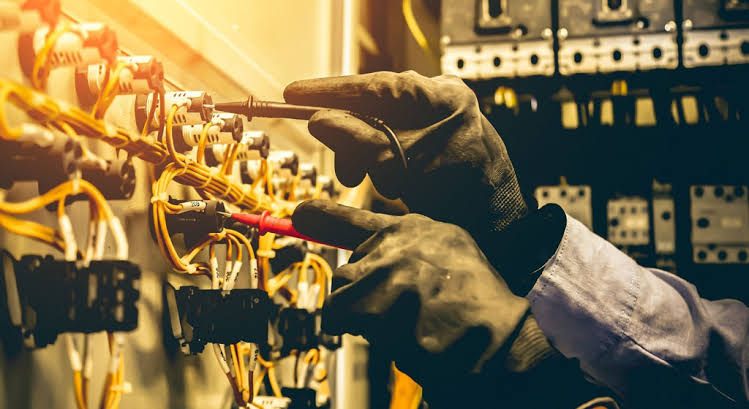
In any industrial environment, the accuracy of measuring and testing instruments directly determines the quality of every decision made on the floor. Whether you are monitoring pressure in a pipeline, measuring temperature in a furnace, or testing the torque on a critical fastener, your instruments must deliver precise and reliable readings. When they do not, the consequences range from product defects and equipment failures to serious safety incidents and regulatory penalties.
What Is Instrument Calibration and Why Does It Matter?
Calibration is the process of comparing an instrument’s output against a known standard and adjusting it to ensure accuracy. Over time, every measuring device drifts from its original accuracy due to wear, mechanical stress, environmental conditions, and frequency of use. Calibration corrects this drift and confirms that the instrument is performing within acceptable tolerances.
Industries such as oil and gas, power generation, pharmaceuticals, food processing, and manufacturing depend on calibrated instruments not just for operational efficiency but for legal compliance. Many international standards including ISO 9001, ISO 17025, and various API codes require documented and traceable calibration records as part of quality management systems.
The Real Cost of Skipping Calibration
Companies that delay or skip regular calibration cycles often underestimate the financial and operational risks involved. Inaccurate instruments can cause overproduction or underproduction, failed quality audits, wasted raw materials, incorrect safety readings, and in worst case scenarios, catastrophic equipment failure. A pressure gauge showing incorrect readings in a high pressure system is not just an operational inconvenience, it is a serious safety hazard.
Beyond the physical risks, non-compliant calibration records can result in failed third party audits, loss of certification, and damaged client relationships. The cost of proper calibration is always far lower than the cost of what happens without it.
Types of Calibration Services Industries Rely On
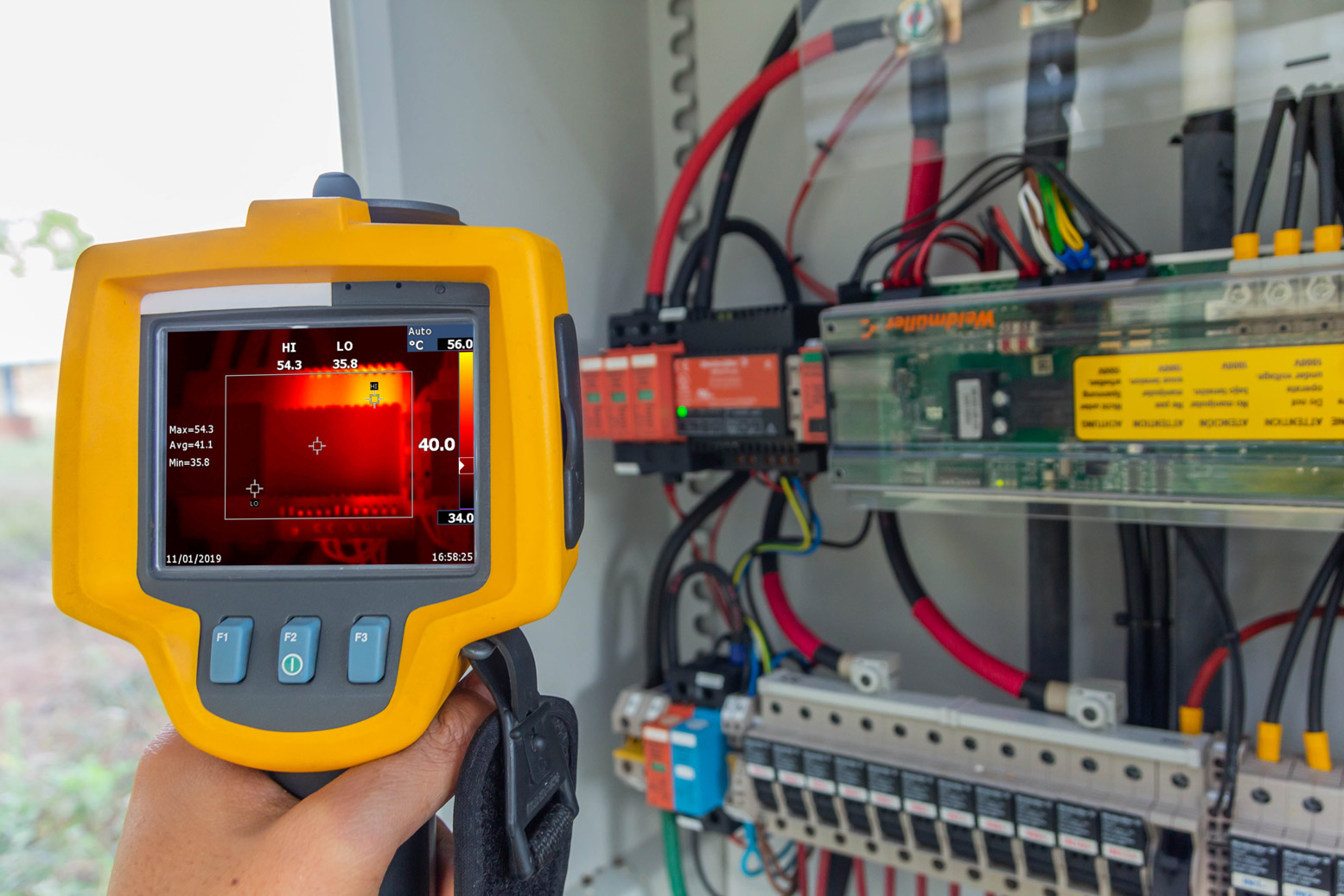
Professional calibration covers a wide range of instruments and tools. Pressure calibration ensures gauges, transmitters, and pressure switches read accurately. Temperature calibration covers thermocouples, RTDs, and thermal imaging equipment. Electrical calibration verifies the performance of multimeters, power analyzers, and current transformers. Mechanical calibration addresses torque wrenches, load cells, and dimensional measuring tools. Flow calibration ensures accurate measurement of liquids and gases in pipelines and processing systems.
Each category requires specialized standards, trained technicians, and accredited testing equipment to produce results that are both accurate and certifiable.
Traceable Calibration and Regulatory Compliance
One of the most important aspects of industrial calibration is traceability. A calibration certificate is only as credible as the standards used to produce it. Traceable calibration means the measurement can be linked back through an unbroken chain to national or international measurement standards. This is a requirement under ISO 17025 accreditation and is increasingly demanded by clients, auditors, and regulatory bodies across industries.
Without proper documentation and traceable records, organizations risk failing audits and losing operational licenses in regulated industries.
Combining Calibration with Condition Monitoring for Maximum Reliability
Calibration works most effectively when integrated into a broader reliability and maintenance strategy. When calibration data is combined with condition monitoring programs such as vibration analysis, thermography, and ultrasonic inspection, maintenance teams gain a comprehensive view of both instrument health and overall equipment performance. This integrated approach reduces unplanned downtime, extends equipment life, and significantly improves operational efficiency.
How AMS System Solutions Delivers Certified Calibration Services
AMS System Solutions provides comprehensive calibration services across mechanical, electrical, pressure, and temperature instruments using state of the art equipment and certified procedures. With over ten years of industry experience, AMS ensures every calibration is performed by qualified technicians and supported with full documentation to meet national and international compliance requirements.
Whether you operate in the oil and gas sector, power generation, manufacturing, or civil infrastructure, AMS System Solutions delivers calibration services that protect your assets, your people, and your business reputation.
Conclusion
Accurate instruments are not optional in industrial operations, they are a foundation of safety, quality, and regulatory compliance. Regular professional calibration is one of the most cost effective investments any organization can make to ensure operational accuracy and avoid the hidden costs of instrument failure. Partner with a certified calibration service provider and make precision a standard part of your maintenance culture.