- Monday - Saturday 9AM -5PM
Master advanced visual inspection techniques and gain the confidence to evaluate welds, components, structures, and industrial equipment using internationally recognized inspection practices.
NDT Training Visual Testing (VT) is a Non-Destructive Testing method used to examine the visible surfaces of materials, welds, components, and structures for defects without causing any damage. It is often the first inspection method applied during manufacturing, fabrication, maintenance, and quality control because it is fast, reliable, and cost-effective.
A qualified VT Level II inspector is capable of evaluating inspection results, preparing reports, supervising Level I inspectors, and ensuring inspections comply with applicable codes and standards.
Visual inspection helps identify issues such as:
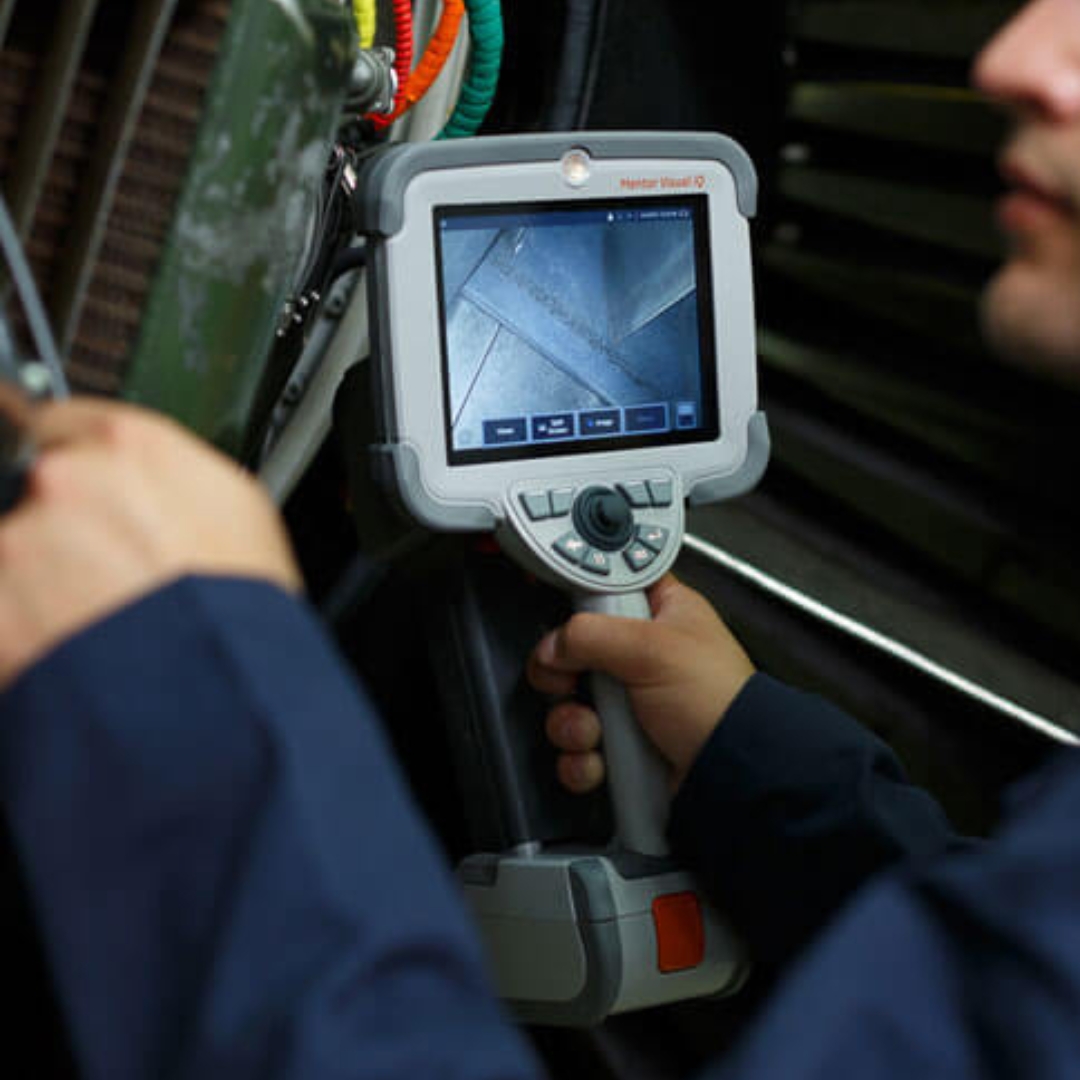
Moving from basic inspection knowledge to Level II certification allows professionals to take greater responsibility within inspection teams. Instead of simply identifying visible conditions, Level II inspectors analyze inspection results, determine acceptance criteria, prepare inspection reports, and supervise inspection activities.
Gain hands-on experience through supervised laboratory sessions using real inspection samples, welded joints, and industrial components. Practice industry-standard visual inspection techniques to build confidence for real-world applications.
The course follows current industry practices and internationally recognized inspection principles, covering essential topics such as weld inspection, surface defect evaluation, inspection procedures, documentation, and quality assurance.
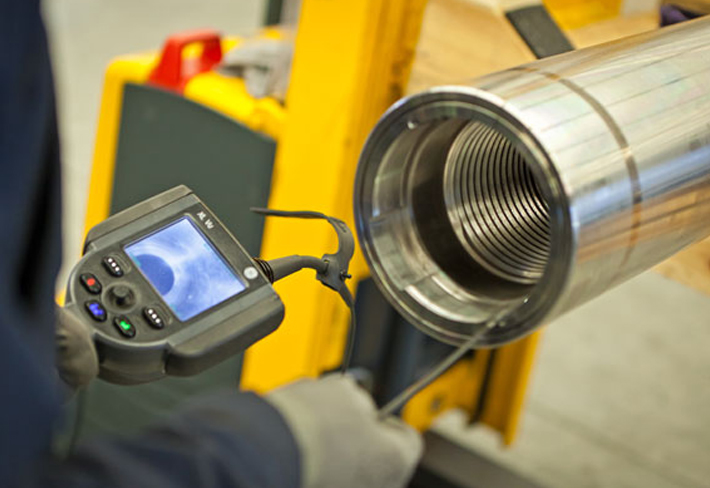
Train with professional visual inspection tools, including weld gauges, magnifiers, inspection mirrors, LED lighting, borescopes (where available), and precision measuring instruments to develop practical inspection skills used across various industries.
The NDT Training Visual Testing (VT) Level II course gives you the practical skills and confidence to carry out professional visual inspections with accuracy. It can help you qualify for better job opportunities, take on greater responsibilities, and grow your career in NDT, QA/QC, manufacturing, oil & gas, construction, and other industrial industries.
The Visual Testing (VT) Level II course is designed to give you the knowledge and practical experience needed to carry out visual inspections with confidence. Instead of focusing only on theory, this training helps you understand how inspections are performed in real workplaces, where accuracy, attention to detail, and clear reporting are essential.
Throughout the course, you’ll learn how to identify surface and weld defects, use inspection tools correctly, understand inspection procedures, and evaluate findings against industry requirements. Practical exercises and real-world examples will help you build the confidence to apply what you’ve learned in manufacturing plants, construction projects, oil & gas facilities, and other industrial environments.
By the end of the training, you’ll be able to perform visual inspections independently, prepare professional inspection reports, support quality assurance activities, and make informed inspection decisions. Whether you’re looking to improve your current skills or take the next step in your NDT career, this course provides a strong foundation for long-term professional growth.
By the end of the course, you will be able to:
After successfully completing the Visual Testing (VT) Level II course, you will have the confidence and practical ability to carry out professional visual inspections in industrial environments. You’ll be able to inspect welded joints and components, identify and assess visible defects, interpret inspection findings, and prepare professional reports that support quality assurance processes.
You’ll also be equipped to work more independently, make informed inspection decisions, and contribute effectively to fabrication, manufacturing, maintenance, and construction projects. These practical skills will increase your value as an inspection professional and help you pursue career opportunities in industries such as oil & gas, power generation, marine, aerospace, and heavy engineering.
After completing the course, you will be able to:
Module 1 – Introduction to Visual Testing
This module establishes the foundation of professional visual inspection by introducing participants to the principles, advantages, limitations, and applications of Visual Testing within Non-Destructive Testing.
Topics include:
Module 2 – Vision Requirements & Inspection Conditions
Successful visual inspection depends heavily on proper viewing conditions and inspector capability.
Participants will learn:
Module 3 – Inspection Equipment & Tools
Participants receive hands-on experience with commonly used visual inspection equipment.
Practical sessions include:
Participants learn proper equipment selection, calibration awareness, maintenance, and safe usage.
Module 4 – Welding Inspection
One of the most important areas of VT Level II is weld examination.
Participants learn how to inspect:
Module 5 – Surface Inspection
Visual inspection extends beyond welding.
Participants learn inspection techniques for:
Inspection focuses on identifying:
Module 6 – Inspection Procedures
Participants learn how inspection activities are planned and executed.
Topics include:
Module 7 – Codes, Standards & Specifications
Understanding industry standards is essential for every Level II inspector.
Participants receive an overview of commonly used codes and specifications relevant to visual inspection and learn how to apply inspection procedures consistently within quality management systems.
Training also explains the relationship between client specifications, engineering drawings, inspection procedures, and acceptance requirements used in industrial projects.
Module 8 – Inspection Reporting
Professional documentation is a key responsibility of a Level II inspector.
Participants practice preparing:
The Visual Testing (VT) Level II course is designed for professionals who want to strengthen their inspection skills, advance their careers in Non-Destructive Testing (NDT), or take on greater responsibilities in quality assurance and inspection. Whether you’re already working in the industry or looking to expand your technical expertise, this course provides the practical knowledge needed to succeed in real-world inspection environments.
This course is ideal for:
To get the most from the Visual Testing (VT) Level II course, participants should have a basic understanding of engineering, fabrication, welding, or industrial inspection. Previous experience in Visual Testing or NDT is beneficial, but individuals with relevant technical backgrounds are also encouraged to enroll.
Recommended Entry Requirements
Completing the Visual Testing (VT) Level II course can open the door to a wide range of opportunities in industries where quality, safety, and reliable inspections are essential. As a qualified VT Level II professional, you’ll have the skills to perform independent visual inspections, evaluate defects, and support quality assurance processes on a variety of industrial projects.
Organizations in sectors such as oil & gas, manufacturing, construction, power generation, marine, aerospace, and heavy engineering actively seek professionals with practical visual inspection expertise.
Career paths you can pursue include:
With experience and additional NDT certifications, you can progress into senior inspection, quality management, or supervisory roles, giving you greater responsibility and stronger career growth in the inspection industry.
At AMS Academy, we focus on practical learning that prepares participants for real-world inspection responsibilities. Our programs are designed to bridge the gap between classroom knowledge and field application through instructor-led sessions, practical exercises, and industry-focused training.
Training is delivered by professionals with extensive field experience in Non-Destructive Testing, inspection, fabrication, maintenance, and quality assurance.
Participants work with real inspection tools, welded samples, and industrial components to gain hands-on experience that reflects actual workplace conditions.
Our curriculum is developed to reflect current inspection practices and the expectations of employers across engineering, manufacturing, and industrial sectors.
The course emphasizes skills that are directly applicable in the workplace, making participants better prepared for inspection and quality assurance roles.
At AMS Academy, we believe the best way to master NDT Training Visual Testing (VT) is through hands-on experience. That’s why our practical laboratory sessions are designed to simulate real industrial inspection environments, allowing you to apply what you’ve learned in the classroom to actual inspection tasks.
During the training, you’ll work with welded samples, fabricated components, and professional inspection tools to identify defects, evaluate weld quality, and perform visual inspections under the guidance of experienced instructors. These practical exercises help you build confidence, improve inspection accuracy, and develop the skills needed to perform effectively in the workplace.
Take your inspection skills to the next level with hands-on training, expert guidance, and real-world practical experience. Whether you’re looking to advance your current role or start a successful career in Non-Destructive Testing (NDT), this course will equip you with the knowledge and confidence to succeed.
Lorem ipsum dolor sit amet, consectetur adipiscing elit tristique dolor nec.

Lorem ipsum dolor sit amet, consectetur adipiscing elit.
Lorem ipsum dolor sit amet, consectetur adipiscing elit.
Lorem ipsum dolor sit amet, consectetur adipiscing elit.
Lorem ipsum dolor sit amet, consectetur adipiscing elit.
Find answers to the most common questions about our Visual Testing (VT) Level II course, including eligibility, course content, practical training, certification, and career opportunities. These FAQs are designed to help you better understand the program and make an informed decision before enrolling.