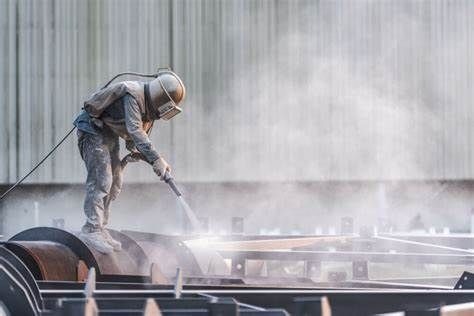
Industrial equipment faces many surface problems over time. Steel structures develop rust. Old paint starts to peel. Pipes collect mill scale, while tanks and other equipment can hold oil, chemicals, and other contaminants.
These problems are more than cosmetic. They can affect coating performance, increase corrosion, and raise maintenance costs. Therefore, proper surface preparation plays an important role in protecting industrial assets.
Sand blasting services provide an effective way to remove rust, old coatings, scale, and other contaminants. The process also creates the surface profile needed for protective coatings to bond properly. With the right equipment, abrasive media, and trained operators, sand blasting helps prepare industrial surfaces for long-term protection.
What Is Sand Blasting and How Does It Work?
Sand blasting, also called abrasive blasting, uses abrasive material at high speed to clean and prepare a surface. Compressed air pushes the abrasive through a blasting nozzle toward the target surface.
Depending on the application, professionals may use different abrasive media. These can include silica sand, steel grit, steel shot, garnet, aluminum oxide, or glass beads.
The blasting process removes rust, old paint, mill scale, chemical deposits, and other unwanted material. At the same time, it creates a controlled surface profile that helps protective coatings bond with the base material.
Professional sand blasting can support many industrial applications, including:
- Structural steel preparation
- Pipeline cleaning
- Pressure vessel preparation
- Storage tank cleaning
- Offshore and marine maintenance
- Bridge and infrastructure restoration
- Industrial equipment preparation
- Concrete surface preparation
The required level of surface cleanliness depends on the project and coating system. International standards help define the required surface condition before coating work begins.
Why Surface Preparation Matters for Coating Performance
Good surface preparation gives a coating a strong foundation. Even a high-quality coating can fail early when applied over rust, oil, old paint, or other contaminants.
Surface Profile and Coating Adhesion
Protective coatings need a suitable surface profile to achieve strong mechanical adhesion. Sand blasting creates this profile across the treated surface.
As a result, the coating can grip the surface more effectively. Proper preparation also helps reduce problems such as peeling, blistering, and early coating failure.
When surface preparation is poor, the coating may not reach its expected service life. Recoating can also increase project costs and maintenance downtime.
Removing Contaminants Before Coating
Rust, mill scale, oil, chlorides, and old coating residues can prevent a coating from bonding correctly.
Professional sand blasting removes these unwanted materials and prepares the base surface for coating. This step becomes especially important in coastal and offshore environments where salt contamination can accelerate corrosion.
For this reason, surface cleanliness should always match the requirements of the selected coating system.
Types of Sand Blasting for Industrial Applications
Different blasting methods suit different working conditions. The correct method depends on the surface, location, contamination, environmental requirements, and desired finish.
Dry Abrasive Blasting
Dry abrasive blasting is widely used for heavy-duty industrial surface preparation. It uses compressed air to move dry abrasive media toward the surface.
This method can remove:
- Heavy corrosion
- Thick paint
- Mill scale
- Surface deposits
- Old coating systems
Dry blasting is commonly used for structural steel, pipelines, storage tanks, plant equipment, and other industrial surfaces.
Wet Abrasive Blasting
Wet abrasive blasting combines water with abrasive media. The water helps reduce airborne dust during the process.
Therefore, wet blasting can be useful where dust control is important. It may also suit enclosed areas and environmentally sensitive work locations.
Depending on the project, suitable rust inhibitors can also be added to help reduce flash rusting after blasting.
Vacuum Blasting
Vacuum blasting combines abrasive blasting with a recovery system. The equipment blasts the surface while collecting spent abrasive and removed material.
This approach helps reduce dust and debris around the work area. Consequently, it can be useful in occupied facilities and locations where containment is important.
It can also support projects involving hazardous coating materials, such as lead-based paints, when proper safety and waste-control procedures are followed.
Specialized Abrasive Media
The choice of abrasive media affects the surface profile, cleaning performance, and final result.
For example, steel grit can create an angular profile for heavy-duty coating systems. Steel shot can produce a peened surface for selected applications. Garnet offers effective cleaning with relatively low dust generation, while glass beads can provide a smoother finish.
Professional blasting teams select the media according to the surface and project requirements.
Sand Blasting for Corrosion Control and Asset Protection
Corrosion can affect pipelines, structural steel, pressure vessels, storage tanks, and other industrial assets. Over time, untreated corrosion can increase maintenance requirements and affect asset integrity.
A properly prepared surface helps protective coatings perform more effectively. Therefore, sand blasting services can form an important part of a wider corrosion control program.
Supporting Industrial Corrosion Management
Industries such as oil and gas, power generation, petrochemical processing, construction, and marine operations often require strong corrosion protection.
Sand blasting removes surface contaminants and prepares the material for a suitable protective coating. The coating then provides a barrier against moisture, chemicals, and other sources of corrosion.
Proper preparation should always match the coating specification and project requirements.
Helping Extend Equipment Life
Good surface preparation can support longer coating performance and reduce the need for frequent maintenance.
For example, proper preparation of a storage tank or pipeline before recoating can help protect the asset for a longer period. Planned blasting and recoating can also form part of a proactive maintenance program.
Instead of waiting until corrosion becomes severe, industrial operators can plan surface treatment as part of regular asset maintenance.
Surface Preparation Standards
International standards provide requirements for surface cleanliness and preparation. Standards from organizations such as ISO and SSPC help define surface conditions before protective coatings are applied.
These standards also provide a common reference for inspection and quality control.
Professional sand blasting providers can work according to the required project standards and document the surface condition achieved. This documentation can support quality management and project records.
Health, Safety, and Environmental Considerations
Sand blasting requires careful control because the process involves high pressure, abrasive materials, dust, and noise.
Professional operators should use appropriate safety equipment and follow established work procedures. Key safety measures can include:
- Respiratory protection
- Hearing protection
- Full personal protective equipment
- Blast containment
- Dust control
- Safe equipment operation
- Controlled work areas
- Proper waste collection
Environmental control is also important when removing hazardous coatings.
For example, coatings containing lead or chromates require careful containment and disposal. Spent abrasive and removed coating material should be collected and handled according to applicable environmental requirements.
As a result, professional sand blasting services should focus on both surface quality and safe project execution.
How AMS System Solutions Delivers Sand Blasting Services
AMS System Solutions provides professional sand blasting and surface preparation services for industrial clients in oil and gas, power generation, construction, and manufacturing.
The company uses experienced operators and suitable equipment to prepare surfaces for protective coating systems. Each project focuses on surface cleanliness, surface profile, safety, and quality.
AMS can support the surface treatment process from the initial assessment and blasting specification through to completed surface preparation and coating-readiness verification.
The company also works according to relevant international surface preparation standards and documents the cleanliness grades and surface profiles achieved.
Frequently Asked Questions About Sand Blasting Services
What are sand blasting services used for?
Sand blasting services are used to remove rust, corrosion, old coatings, mill scale, and other contaminants. The process also creates a surface profile before protective coating application.
Common applications include steel structures, pipelines, pressure vessels, storage tanks, and concrete surfaces.
How clean can sand blasting make a surface?
The final cleanliness level depends on the blasting method, abrasive media, equipment, and process settings.
Professional abrasive blasting can achieve high surface cleanliness grades defined by recognized ISO and SSPC standards.
Is sand blasting suitable for every surface?
Sand blasting can be used on materials such as steel, concrete, and masonry. However, the abrasive media, pressure, and technique should match the substrate.
Experienced professionals select the appropriate method to clean the surface without causing unnecessary damage.
What is the difference between sand blasting and shot blasting?
Sand blasting uses compressed air to propel abrasive media toward a surface. Shot blasting normally uses a mechanical wheel to project abrasive material at high speed.
Shot blasting is often used in controlled environments, while compressed-air blasting can provide more flexibility for site work and complex surfaces.
How soon should a surface be coated after blasting?
Freshly blasted steel can begin to oxidize quickly, especially in humid conditions. Therefore, coating should normally follow the project specification and take place as soon as practical after blasting.
If flash rust develops before coating, additional surface preparation may be required.
Can sand blasting remove old coatings?
Yes. Professional abrasive blasting can remove many industrial coating systems, including epoxy, alkyd, zinc, and bituminous coatings.
The correct abrasive media and blasting settings help remove the coating while limiting unnecessary damage to the base material.
Why is surface preparation important for coating performance?
Surface preparation removes contaminants and creates the profile required for coating adhesion.
Without proper preparation, coatings can experience problems such as peeling, blistering, and corrosion beneath the coating. Therefore, surface preparation is a key part of a successful coating system.
Does AMS System Solutions provide sand blasting for new and maintenance projects?
Yes. AMS System Solutions provides sand blasting for new construction projects as well as maintenance work.
For maintenance projects, blasting can remove deteriorated coatings and corrosion products before a new protective coating system is applied.
Conclusion
Sand blasting is more than a cleaning process. It prepares industrial surfaces for effective corrosion protection and long-term coating performance.
When professionals use the correct blasting method, abrasive media, equipment, and safety procedures, they can achieve the surface condition required for the next stage of treatment.
For industrial assets such as pipelines, storage tanks, pressure vessels, structural steel, and plant equipment, proper surface preparation can support coating performance and planned maintenance.
Professional sand blasting services therefore play an important role in industrial surface protection and asset maintenance.
Get Professional Sand Blasting Services From AMS System Solutions
Do not overlook the surface beneath your coating system. Proper preparation can make a major difference to coating adhesion, corrosion protection, and long-term maintenance.
AMS System Solutions provides professional sand blasting and surface preparation services for industrial applications. The company focuses on quality, safety, surface preparation standards, and coating readiness.
Contact AMS System Solutions to discuss your surface preparation requirements and learn how professional sand blasting can support the protection of your industrial assets.