Behind every industrial facility that operates safely and efficiently, there is a strong operation and maintenance program. Although this work often happens behind the scenes, it plays a major role in daily performance.
When operation and maintenance services are managed properly, equipment can run more reliably, shutdowns can be planned, and workers can operate in a safer environment. However, poor maintenance can lead to equipment failure, production delays, higher costs, and greater safety risks.
Many organizations still rely on reactive maintenance. In this approach, teams repair equipment only after a failure occurs. This can increase repair costs and cause unexpected downtime.
Professional operation and maintenance services provide a more structured approach. They combine daily operational support, preventive maintenance, corrective repairs, technical supervision, and maintenance planning to help industrial facilities manage their assets more effectively.
What Do Operation and Maintenance Services Cover?
Operation and maintenance services cover the activities required to keep industrial equipment, systems, and facilities working as intended throughout their operational life.
These services can include:
- Routine equipment servicing
- Preventive maintenance
- Corrective repairs
- Technical operations support
- Equipment inspections
- Maintenance planning
- Technical supervision
- Spare parts management
- Maintenance documentation
- Condition monitoring
- Shutdown and turnaround support
At a broader level, operation and maintenance programs can also include maintenance procedures, asset records, maintenance management systems, and condition monitoring data.
The exact scope depends on the industry, facility, equipment, and operational requirements. However, the main goal remains the same: keep assets reliable, available, and safe while controlling maintenance costs.
The Cost of Poor Maintenance Practices
Poor maintenance can affect production, equipment life, workplace safety, and overall operating costs.
Unplanned Downtime and Production Losses
Unexpected equipment failure can quickly disrupt industrial operations. When critical equipment stops, production may also stop. As a result, companies can face missed deadlines, delayed deliveries, emergency repair costs, and lost production.
A planned maintenance program helps reduce these risks. Instead of waiting for equipment to fail, maintenance teams can identify problems and address them earlier.
This shift from reactive maintenance to proactive maintenance can help organizations improve reliability and reduce avoidable downtime.
Faster Equipment Deterioration
Equipment needs regular care to perform properly. Poor lubrication, contamination, misalignment, overloading, and incorrect operation can increase wear.
Over time, these problems can shorten equipment life and increase repair or replacement costs.
Regular maintenance helps identify these issues earlier. Therefore, organizations can protect their equipment investment and plan repairs before problems become more serious.
Safety and Compliance Risks
Poorly maintained equipment can also create workplace safety risks. Worn components, damaged safety devices, poor lubrication, and equipment operating outside normal conditions can increase the chance of an incident.
For this reason, maintenance should form an important part of an organization’s safety program. Proper inspection and servicing can help keep equipment within its required operating condition.
Core Elements of a Professional Operation and Maintenance Program
A complete maintenance program combines several activities. Each one supports equipment reliability and operational control.
Preventive Maintenance Planning
Preventive maintenance involves scheduled inspections, servicing, and component replacement. The goal is to address potential problems before they cause equipment failure.
A strong preventive maintenance program starts with an understanding of each asset. Teams should consider its importance, maintenance needs, operating conditions, and the possible impact of failure.
This information helps maintenance teams create suitable schedules, task lists, and resource plans.
Regular planning also makes maintenance work easier to track and manage.
Corrective Maintenance and Rapid Response
Preventive maintenance cannot prevent every equipment failure. Corrective maintenance is therefore also necessary.
Corrective maintenance involves identifying the problem, finding the required parts, completing the repair, and returning the equipment to service.
A professional maintenance program should have trained technicians, defined repair procedures, suitable spare parts, and clear escalation processes.
With these systems in place, teams can respond to failures in a more organized way instead of treating every breakdown as an emergency.
Technical Operations Support
Operation support focuses on the daily technical management of equipment and facility systems.
This work can include:
- Monitoring operating conditions
- Checking equipment parameters
- Supporting shift handovers
- Maintaining operational logs
- Providing technical guidance
- Identifying abnormal equipment behavior
Operators play an important role in early problem detection. When operators understand how equipment normally performs, they can identify unusual sounds, readings, or operating conditions and report them before a larger problem develops.
Maintenance Documentation and Management Systems
Good documentation supports effective maintenance management.
Maintenance teams may need access to:
- Work orders
- Maintenance histories
- Inspection records
- Calibration certificates
- Equipment manuals
- Spare parts records
- Maintenance procedures
Many organizations use computerized maintenance management systems to organize this information.
These systems can help teams plan maintenance, track work orders, manage spare parts, and produce reports. They can also provide management with useful information for maintenance planning and decision-making.
Maintenance Strategies That Improve Industrial Performance
Different assets require different maintenance strategies. A professional operation and maintenance program can combine several approaches based on equipment condition and operational requirements.
Reliability Centered Maintenance
Reliability centered maintenance focuses on understanding how equipment can fail and what each failure could mean for the facility.
Instead of using the same maintenance schedule for every asset, this approach considers the importance and risk of individual equipment.
As a result, maintenance resources can focus on assets where reliability, safety, and operational impact matter most.
This approach can also help reduce unnecessary maintenance on lower-risk equipment while giving greater attention to critical assets.
Predictive Maintenance Integration
Predictive maintenance uses equipment condition data to identify possible failures before they occur.
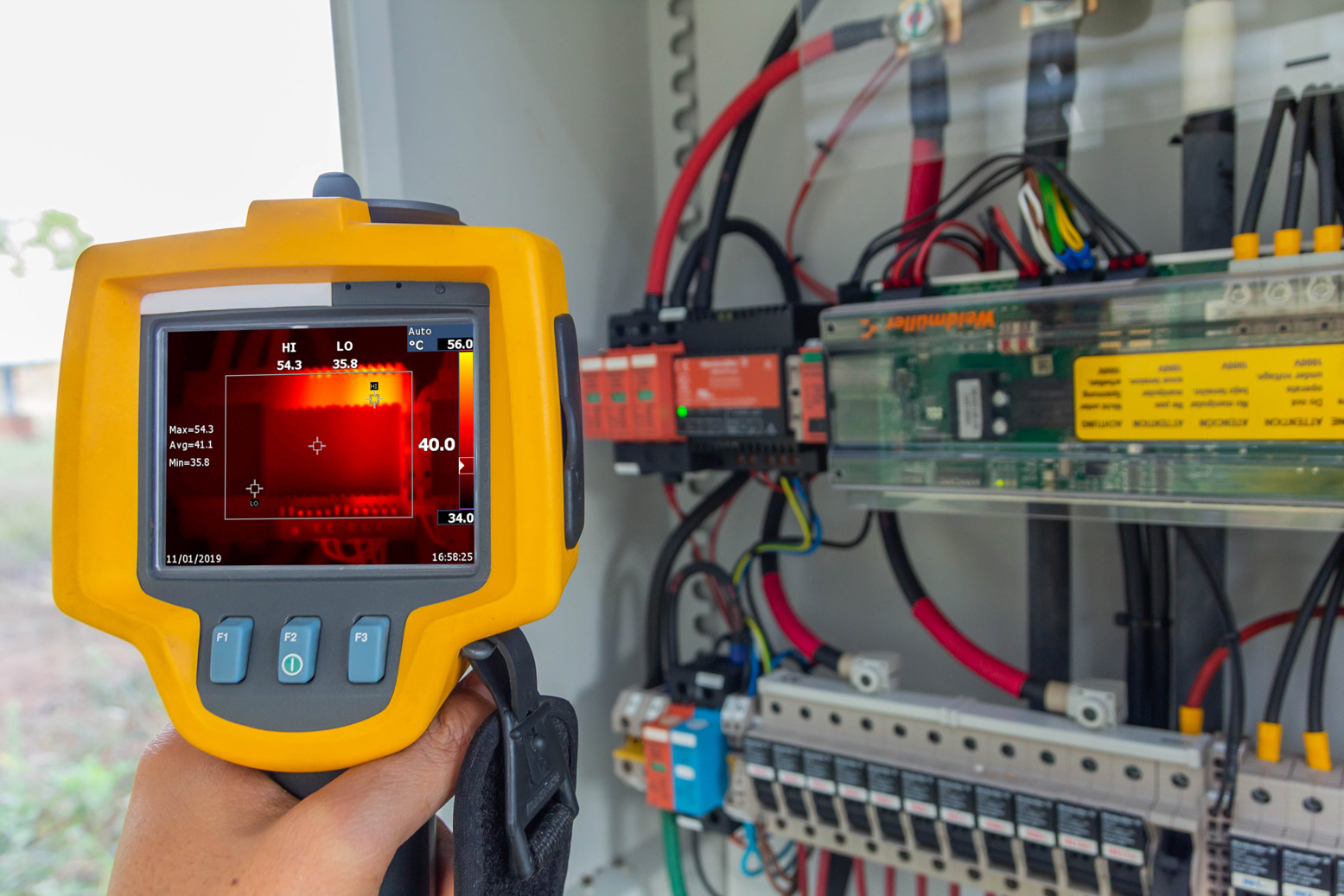
Condition monitoring can include techniques such as:
- Vibration analysis
- Thermography
- Oil analysis
- Ultrasonic inspection
The collected data can help maintenance teams understand equipment condition and plan maintenance based on actual performance.
Therefore, teams may reduce unnecessary maintenance while also identifying problems that fixed maintenance schedules could miss.
Successful predictive maintenance requires both technical knowledge and a process for turning inspection data into timely maintenance actions.
Shutdown and Turnaround Management
Industrial shutdowns and turnarounds require detailed planning. During these periods, teams perform major maintenance, inspections, repairs, and modifications that cannot normally take place during production.
Successful shutdown management requires:
- Detailed planning
- Defined work scopes
- Resource coordination
- Skilled technical teams
- Safety controls
- Schedule management
- Quality checks
Experienced operation and maintenance teams can support shutdown planning and execution. Proper preparation helps organizations complete required work within the planned shutdown period and return the facility to operation in a controlled manner.
Why Industry-Specific Experience Matters
Operation and maintenance requirements vary between industries.
For example, the maintenance needs of an oil refinery differ from those of a power plant, manufacturing facility, or civil infrastructure project.
Equipment types, operating conditions, failure risks, safety requirements, and maintenance procedures can all vary.
Therefore, industry-specific experience can help maintenance teams understand the challenges of a particular working environment and select suitable maintenance strategies.
When choosing an operation and maintenance service provider, organizations should consider relevant technical experience, workforce capability, procedures, and understanding of the client’s operating environment.
How AMS System Solutions Delivers Operation and Maintenance Services
AMS System Solutions provides operation and maintenance services across mechanical, electrical, and civil disciplines for clients in oil and gas, power generation, manufacturing, and industrial sectors.
With over a decade of hands-on experience, AMS focuses on practical maintenance programs that support equipment reliability, operational performance, and client requirements.
Its services can include preventive maintenance planning, corrective repair management, shutdown support, and technical operations assistance.
AMS combines qualified technicians, established procedures, and maintenance planning to help clients manage industrial assets effectively.
The overall goal is to reduce avoidable downtime, support equipment life, improve maintenance control, and contribute to safer and more efficient operations.
Frequently Asked Questions About Operation and Maintenance Services
What is the difference between operation and maintenance services?
Operations focuses on the daily running and supervision of equipment and processes. Maintenance focuses on keeping equipment in reliable working condition.
Professional operation and maintenance services bring these activities together to support the overall performance of an industrial facility.
Why is preventive maintenance important?
Preventive maintenance addresses equipment servicing and potential problems before they result in major failures.
It can help reduce unexpected downtime, support equipment life, and improve maintenance planning.
How does a maintenance management system improve operations?
A maintenance management system helps organize work orders, maintenance records, spare parts, and reports.
It can also help maintenance teams plan work, track progress, and access equipment history when making maintenance decisions.
Which industries can benefit from operation and maintenance services?
Industries such as oil and gas, power generation, petrochemical, manufacturing, water treatment, and civil infrastructure can benefit from professional operation and maintenance programs.
These sectors often depend on complex equipment and require reliable operation.
How often should preventive maintenance be performed?
The required frequency depends on the equipment, manufacturer recommendations, operating conditions, workload, and environmental factors.
A professional maintenance team can help establish suitable maintenance intervals based on the requirements of each asset.
What is reliability centered maintenance?
Reliability centered maintenance is a structured approach that considers equipment failure modes and their possible consequences.
It helps organizations select maintenance strategies based on the actual risk and importance of each asset.
Can operation and maintenance teams support shutdowns and turnarounds?
Yes. Operation and maintenance service providers can support planned shutdowns and turnarounds through scope planning, resource coordination, maintenance execution, and post-shutdown activities.
How do operation and maintenance services support workplace safety?
Properly maintained equipment can operate within its intended conditions and with required safety devices in working order.
Regular inspection and maintenance can help identify equipment problems before they create greater operational or safety risks.
Conclusion
Operation and maintenance services play an important role in the long-term performance of industrial facilities.
A structured maintenance program can help protect equipment, reduce unexpected downtime, support safer operations, and improve maintenance planning. Preventive maintenance, corrective repairs, technical operations support, predictive maintenance, and shutdown management can all contribute to better asset management.
For industrial organizations, maintenance should not only be viewed as a response to equipment failure. Instead, it can form part of a broader strategy for managing reliability, safety, operating costs, and equipment performance.
Choosing an experienced operation and maintenance service provider can help organizations build practical maintenance systems that match their equipment, industry, and operational requirements.
Get Professional Operation and Maintenance Services From AMS System Solutions
AMS System Solutions provides professional operation and maintenance support for industrial clients across mechanical, electrical, and civil disciplines.
From preventive maintenance and corrective repairs to technical operations support and shutdown assistance, AMS helps clients manage their industrial assets with structured maintenance practices and experienced technical teams.
Contact AMS System Solutions to discuss your operation and maintenance requirements and develop a maintenance approach suited to your facility.