
In today’s highly competitive and heavily regulated industrial landscape, the pressure to deliver quality products, meet safety standards, and satisfy client expectations has never been greater. Yet many organizations rely solely on their internal quality control processes to verify that everything meets the required standards. While internal checks are valuable, they carry an inherent limitation. They come from within the same organization they are evaluating.
This is where third party inspection steps in and changes everything. An independent, certified inspection authority brings objectivity, technical expertise, and credibility that internal teams simply cannot provide on their own. Whether you are managing a complex supply chain, commissioning new equipment, executing a construction project, or shipping critical components across borders, third party inspection services ensure that what you are delivering truly meets the standards it is supposed to meet, verified by someone with no stake in the outcome.
For organizations serious about quality assurance, regulatory compliance, and long term reputation, third party inspection is not a luxury. It is a strategic necessity.
What Are Third Party Inspection Services
Third party inspection refers to the evaluation, verification, and certification of products, equipment, processes, or projects by an independent organization that is separate from both the manufacturer or supplier and the end client. The inspection body acts as a neutral authority, assessing whether the subject of inspection meets agreed-upon specifications, industry standards, or regulatory requirements.
The scope of third party inspection is broad. It can cover raw material verification, in-process manufacturing inspection, final product inspection, pre-shipment checks, site inspections, structural assessments, pressure vessel examinations, weld quality verification, and much more. What remains consistent across all these applications is the independence and technical credibility of the inspecting body.
Third party inspection agencies operate according to internationally recognized standards and codes, including those set by bodies such as ISO, ASME, API, and various national regulatory authorities. Their certificates and reports carry weight with regulators, insurers, clients, and financial institutions because they represent an unbiased assessment backed by certified expertise.
Why Independence in Inspection Matters More Than You Think
Eliminating Conflict of Interest
When a supplier or contractor inspects their own work, there is always the potential for bias, whether conscious or unconscious. Pressure to meet deadlines, control costs, or maintain client relationships can subtly influence the interpretation of borderline results. An independent third party has no such pressure. Their only obligation is to report accurately what they find.
This independence is particularly valuable in high stakes situations such as pre commissioning inspections for major plants, quality verification for safety critical components, or compliance assessments for regulated industries. When the consequences of a missed defect or a false compliance certificate are severe, objectivity is not just desirable. It is essential.
Building Client and Stakeholder Confidence
Third party inspection reports and certificates serve as powerful evidence of quality and compliance. For clients receiving goods or services, an independent inspection certificate provides assurance that what they are receiving is exactly what was specified. For insurers, it confirms that risk has been properly managed. For regulatory bodies, it demonstrates that legal obligations have been fulfilled. This credibility is something that self-certification simply cannot replicate.
Strengthening Supply Chain Integrity
Global supply chains are complex, multi layered, and spread across multiple countries and jurisdictions. Managing quality across such a network requires independent verification at multiple points. Third party inspection gives procurement teams and project managers visibility into the actual condition and compliance of materials and equipment long before they arrive at site. Problems identified early in the supply chain are far cheaper and easier to resolve than those discovered during installation or commissioning.
Key Areas Where Third Party Inspection Delivers Critical Value
Manufacturing and Fabrication Inspection
During manufacturing and fabrication, third party inspectors verify that materials used match the specified grades and certifications, that fabrication processes follow approved procedures, and that finished products meet dimensional, structural, and performance requirements. This level of oversight is particularly important for pressure vessels, structural steel, piping systems, and mechanical equipment destined for use in high risk environments.
Pre-Shipment Inspection
Before goods leave a manufacturing facility or warehouse, pre-shipment inspection confirms that the quantity, quality, and condition of the goods match the purchase order and relevant specifications. This prevents costly disputes upon delivery, reduces the risk of receiving substandard materials, and ensures that customs and import requirements can be met without complications.
Welding and Structural Inspection
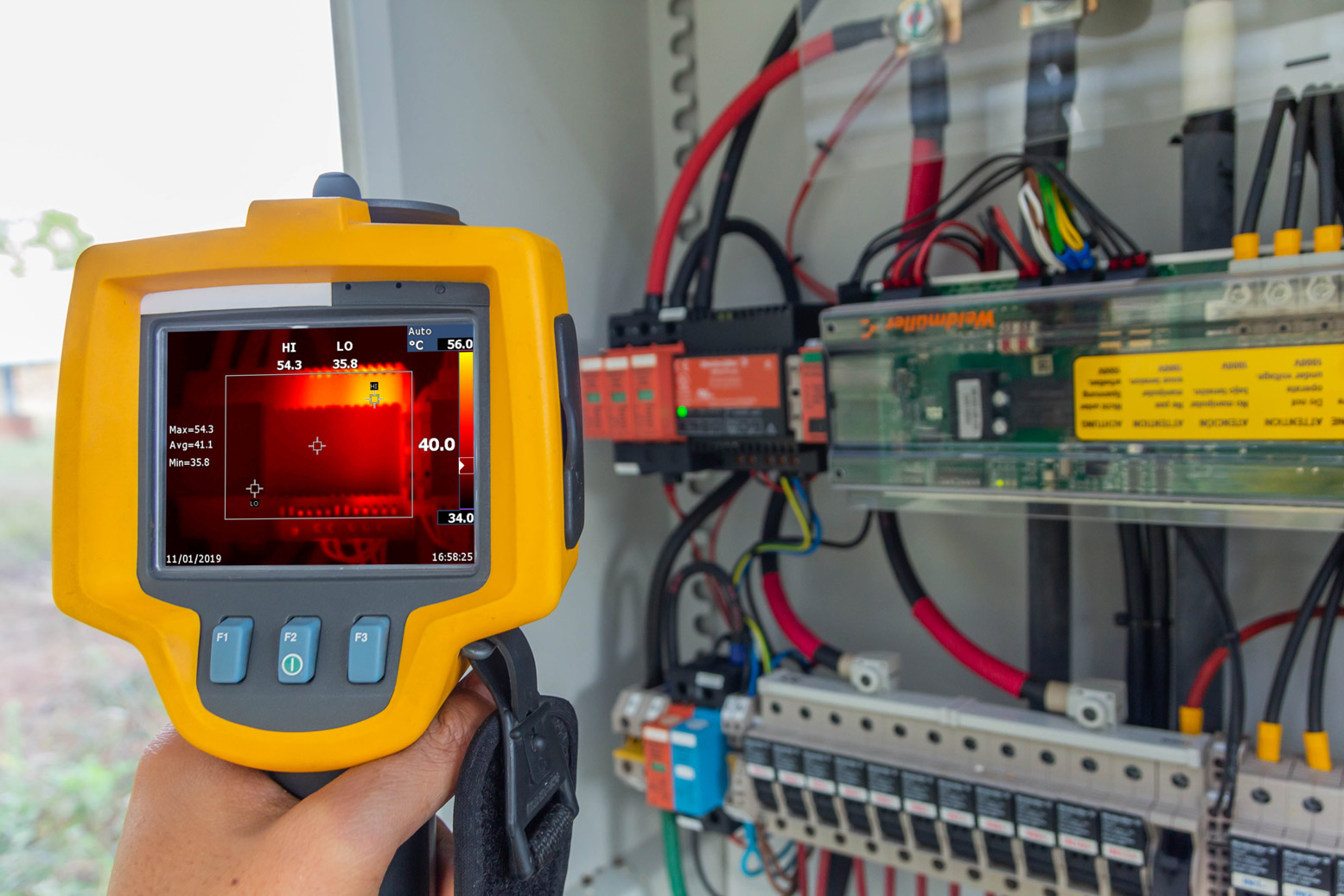
Welds are among the most critical structural elements in industrial construction, piping systems, and pressure equipment. A substandard weld in a high pressure pipeline or a structural joint in a facility can have catastrophic consequences. Third party welding inspection verifies that welders are properly qualified, welding procedures are correctly followed, and finished welds meet the required quality standards through both visual examination and non-destructive testing methods.
Equipment Inspection and Certification
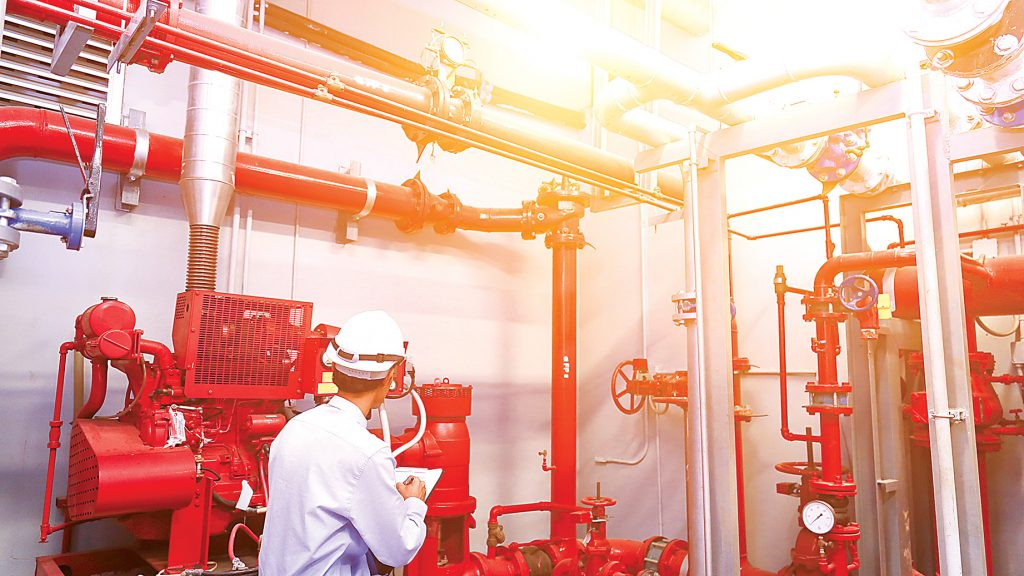
Before major equipment such as pressure vessels, heat exchangers, storage tanks, boilers, and lifting equipment is put into service, it must be inspected and certified to confirm it meets the applicable design codes and safety requirements. Third party inspection provides this certification with the authority and credibility required by regulators and clients alike.
In-Service Inspection Programs
Third party inspection is not limited to new equipment or fresh installations. In service inspection programs provide periodic independent assessment of operating equipment to confirm continued fitness for service. This is particularly important for aging infrastructure in oil and gas, power generation, and chemical processing where equipment operates under demanding conditions over many years.
How Third Party Inspection Supports Regulatory Compliance
Regulatory compliance is a fundamental requirement for operating in virtually every industrial sector. Whether it is pressure equipment legislation, construction safety standards, environmental regulations, or sector specific codes such as API standards for the oil and gas industry, demonstrating compliance requires more than internal assurance. Regulators increasingly expect independent verification from accredited inspection bodies.
Third party inspection agencies maintain up to date knowledge of the regulatory landscape across multiple jurisdictions and industries. When an organization works with a certified third party inspector, they gain not just inspection services but access to regulatory expertise that helps them navigate complex compliance requirements with confidence.
Documented inspection records from an independent body also serve as critical evidence during regulatory audits, insurance assessments, and legal proceedings. Organizations with strong third party inspection histories are consistently better positioned in these situations than those who rely solely on internal documentation.
The Role of Third Party Inspection in Project Quality Management
Large scale industrial and construction projects involve dozens of contractors, hundreds of specifications, and thousands of components. Maintaining consistent quality across such complexity requires a structured quality management system with independent oversight built in at every critical stage.
Third party inspection integrates into project quality management by providing hold point inspections at defined stages of fabrication and construction, witness testing for pressure tests, functional tests, and performance trials, documentation review to ensure all certifications and test records are in order, and punch list verification during pre-commissioning and handover.
This level of structured oversight significantly reduces the risk of defects reaching later stages of a project where they are more expensive and disruptive to address. It also gives project owners and clients the confidence that their investment is being protected throughout the execution phase.
What to Look for in a Third Party Inspection Service Provider
Choosing the right third party inspection partner is a decision that directly affects the quality of outcomes across projects, supply chains, and compliance programs. A strong provider brings certified and experienced inspectors with sector specific knowledge, accreditation to internationally recognized standards, a clear and transparent reporting process, the capability to perform a wide range of inspection and testing activities, and a reputation for integrity and independence.
Experience matters enormously in third party inspection. An inspector who understands the specific demands of oil and gas fabrication, for example, brings a depth of judgment that goes beyond reading a checklist. They know what to look for, what questions to ask, and what deviations from specification actually mean in practice.
How AMS System Solutions Delivers Trusted Third Party Inspection Services
AMS System Solutions provides professional third party inspection services across manufacturing, fabrication, construction, supply chain, and in-service inspection programs. With over a decade of industry experience and a team of certified inspectors, AMS delivers independent assessments that help clients meet quality standards, satisfy regulatory requirements, and protect their operational investments.
From welding and structural inspections to equipment certification and pre shipment verification, AMS brings technical precision, documented procedures, and genuine independence to every inspection engagement. Clients across oil and gas, power generation, manufacturing, and civil industries trust AMS to provide the objective quality assurance that keeps their projects and operations on track.
Frequently Asked Questions About Third Party Inspection Services
What is the main purpose of third party inspection?
Third party inspection provides independent verification that products, equipment, or processes meet specified standards and regulatory requirements. It removes bias from the quality assurance process and gives clients, regulators, and insurers confidence in the results.
When should third party inspection be used?
Third party inspection is appropriate at multiple stages including raw material verification, during fabrication, before shipment, at project milestones, during commissioning, and as part of ongoing in service inspection programs. The right timing depends on the specific risk profile and contractual requirements of each project.
What industries benefit most from third party inspection services?
Oil and gas, power generation, petrochemical, manufacturing, construction, food processing, and pharmaceutical industries all rely heavily on third party inspection. Any sector where quality failures carry significant safety, financial, or regulatory consequences benefits from independent inspection.
How does third party inspection differ from quality control?
Quality control is typically performed by the manufacturer or supplier as part of their internal processes. Third party inspection is conducted by an independent external organization with no connection to the manufacturer, providing an unbiased assessment that internal quality control cannot replicate.
What qualifications should a third party inspector hold?
Inspectors should hold relevant certifications such as CSWIP, PCN, ASNT, or API qualifications depending on their area of specialization. The inspection organization should also hold appropriate accreditations aligned with the standards applicable to the inspection scope.
Can third party inspection help prevent project delays?
Yes. By identifying non-conformances and quality issues early in the fabrication or construction process, third party inspection prevents defective components from progressing to later stages where corrections are far more disruptive and expensive. Early detection is one of the most effective tools for keeping projects on schedule.
Is third party inspection required by law?
In many regulated industries and jurisdictions, independent inspection and certification is a legal requirement for specific equipment types and activities. Even where it is not legally mandated, it is often required by clients, insurers, or project specifications.
How long does a third party inspection take?
The duration varies significantly depending on the scope of inspection, the complexity of the subject, and the number of inspection points involved. A pre-shipment inspection might take a few hours while a comprehensive in-service inspection program for a processing facility could span several days or weeks.
What documentation does a third party inspection produce?
Third party inspection generates formal inspection reports, certificates of conformance, non-conformance reports where deficiencies are identified, and test records. This documentation provides a complete audit trail that supports compliance, project handover, and insurance requirements.
How does third party inspection protect buyers in international trade?
In international procurement, buyers cannot always visit supplier facilities in person. Third party inspection at the point of manufacture or shipment gives buyers independent confirmation that goods meet the agreed specifications before they are dispatched, reducing the risk of receiving substandard or non compliant materials.
Conclusion
Third party inspection is one of the most powerful tools available to industrial organizations seeking to protect quality, manage risk, and demonstrate compliance in a transparent and credible way. It removes the conflict of interest that comes with self certification, strengthens supply chain oversight, and provides the independent documentation that regulators, clients, and insurers demand. In industries where the consequences of quality failures are measured in safety incidents, project overruns, and reputational damage, independent inspection is not a cost. It is an investment in confidence and operational integrity.
Take the Next Step Toward Independent Quality Assurance
If your organization is ready to strengthen its quality management program with professional, certified third party inspection services, AMS System Solutions is here to help. Our experienced inspection team delivers the independence, technical expertise, and documented assurance your operations need to perform at the highest standard.
Contact AMS System Solutions today to discuss your inspection requirements and discover how our third party inspection services can protect your projects, your assets, and your reputation.