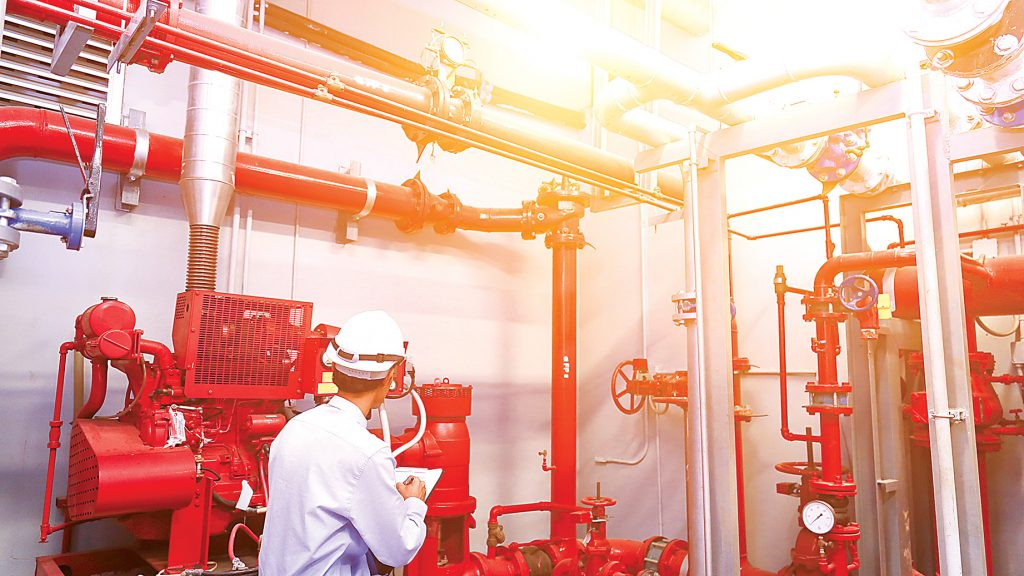
Every industrial facility carries with it an invisible responsibility, one that sits quietly behind every operation, every shift, and every piece of equipment running at full capacity. That responsibility is fire safety. A single fire incident in an industrial environment can result in devastating consequences for workers, assets, and business continuity. Yet across many industries, fire safety engineering is still treated as a box ticking exercise rather than a strategic priority.
The reality is that fire safety engineering is one of the most critical investments an industrial organization can make. When properly designed, implemented, and maintained, a robust fire safety strategy does far more than satisfy regulatory requirements. It protects human lives, preserves infrastructure, reduces liability, and ensures that operations continue without interruption. Understanding what fire safety engineering truly involves is the first step toward building a workplace where people feel genuinely protected.
What Is Fire Safety Engineering and Why Does It Matter
Fire safety engineering is a discipline that applies scientific and engineering principles to protect people, property, and the environment from the effects of fire. It covers everything from the design of fire detection and suppression systems to risk assessments, emergency response planning, evacuation procedures, and compliance with national and international fire safety standards.
Unlike basic fire safety awareness, fire safety engineering takes a systematic, technical approach. It evaluates how fire behaves within a specific environment, identifies the unique risks present in that facility, and designs solutions that are both effective and practical. For industries operating with flammable materials, high pressure systems, chemical storage, or large scale electrical infrastructure, this level of precision is not optional. It is essential.
The Core Components of a Professional Fire Safety Engineering Program
Fire Risk Assessment
A fire risk assessment is the foundation of any fire safety program. It involves identifying all potential ignition sources, combustible materials, and high risk areas within a facility. The assessment evaluates the likelihood of a fire starting, the potential pathways it could follow, and the probable impact on personnel and assets. This information drives every subsequent decision in the fire safety strategy.
A thorough fire risk assessment is not a one time activity. As facilities evolve, equipment changes, and new processes are introduced, the risk profile shifts. Regular reassessment ensures that the fire safety program remains relevant and effective at all times.
Fire Detection and Alarm Systems
Early detection is the single most important factor in minimizing fire damage and protecting human life. Modern fire detection systems go well beyond basic smoke alarms. Industrial fire detection incorporates heat detectors, flame detectors, gas detection systems, and intelligent addressable alarm panels that can pinpoint the exact location of a developing fire within seconds.
The design of a fire detection system must account for the specific environment where it will operate. High temperature processes, dusty environments, chemical fumes, and large open spaces all present unique challenges that require carefully engineered detection solutions.
Fire Suppression and Extinguishing Systems
Once a fire is detected, the speed and method of suppression determine how much damage occurs. Industrial fire suppression systems include sprinkler systems, gaseous suppression systems, foam systems for flammable liquid fires, and dry chemical systems for specialized hazards. Each type is suited to different fire classes and environments.
Engineering a suppression system requires a deep understanding of the materials present, the nature of the fire risk, and the impact of the suppression agent on both the fire and the surrounding equipment. A poorly designed system can be as dangerous as no system at all.
Emergency Evacuation Planning and Drills
Even the most advanced detection and suppression systems cannot replace well trained people who know exactly what to do in an emergency. Emergency evacuation planning involves designing clear escape routes, positioning emergency exits strategically, establishing assembly points, and defining roles and responsibilities for emergency response teams.
Regular evacuation drills translate plans into practiced behavior. When people have physically rehearsed what to do in a fire, they respond faster and more calmly under pressure. This preparation saves lives.
Fire Safety Compliance and Certification
Industrial facilities operate under a complex web of fire safety regulations and standards. Compliance is not just a legal requirement. It is evidence that an organization takes its duty of care seriously. Fire safety certifications demonstrate to clients, insurers, regulators, and employees that the facility meets internationally recognized safety benchmarks.
Working with experienced fire safety engineers ensures that compliance documentation is accurate, up to date, and aligned with the latest regulatory requirements. It also provides a clear audit trail in the event of an inspection or incident investigation.
Industries That Depend on Fire Safety Engineering
Oil and Gas
Few environments carry a higher fire risk than oil and gas facilities. The combination of flammable hydrocarbons, high pressure systems, extreme temperatures, and remote locations makes fire safety engineering an absolute priority. Fire and gas detection systems, blowout prevention, emergency shutdown procedures, and suppression solutions must all be precisely engineered and regularly tested to protect both personnel and critical infrastructure.
Power Generation and Energy
Power plants and energy facilities operate with high voltage electrical systems, transformers, fuel storage, and turbines, all of which represent significant fire hazards. A fire in a power generation facility can affect entire communities, not just the facility itself. Comprehensive fire safety engineering ensures that detection, suppression, and emergency response systems are capable of managing the specific risks present in these environments.
Manufacturing and Industrial Plants
Manufacturing facilities often combine electrical hazards, chemical storage, high temperature processes, and large volumes of combustible materials in a single location. Fire safety engineering in this sector must address a broad spectrum of risks simultaneously and integrate fire safety seamlessly into production operations without compromising efficiency.
Construction and Civil Infrastructure
During construction, fire risks are heightened by the presence of temporary structures, cutting and welding operations, combustible building materials, and incomplete fire protection systems. Fire safety engineering during the construction phase ensures that both workers and the developing structure are protected throughout the build process.
The Difference Between Fire Safety Compliance and True Fire Safety Culture
Meeting the minimum requirements for fire safety compliance is not the same as having a genuine fire safety culture. Compliance means having the right systems in place on paper. Culture means that every person in the organization understands fire risks, takes them seriously, and acts accordingly every single day.
Building a fire safety culture requires leadership commitment, regular training, open communication about near misses and hazards, and ongoing investment in fire safety infrastructure. It also requires partnering with fire safety engineers who go beyond installation and certification to educate and empower the teams they work with.
Organizations that embrace fire safety as a core value rather than a regulatory obligation consistently achieve better outcomes in terms of incident prevention, employee confidence, and operational resilience.
How Regular Fire Safety Audits Protect Long Term Operations
A fire safety audit is a systematic evaluation of an organization’s fire safety arrangements against relevant legislation, standards, and best practices. Regular audits identify gaps in protection, highlight areas where equipment may have degraded, and ensure that changes in operations have been properly reflected in the fire safety strategy.
Audits also provide valuable documentation for insurers and regulators. A facility with a consistent audit history demonstrates a proactive approach to risk management, which can positively influence insurance terms and strengthen relationships with regulatory bodies.
How AMS System Solutions Delivers Fire Safety Engineering Excellence
AMS System Solutions provides professional fire safety and engineering services designed to meet the specific challenges of industrial and commercial environments. With a team of qualified engineers and over a decade of industry experience, AMS delivers fire risk assessments, system design consultancy, compliance support, and safety auditing services across a wide range of sectors.
Every fire safety solution developed by AMS is tailored to the client’s unique operational environment. From initial risk assessment through to system design recommendations and compliance documentation, AMS brings technical precision and practical knowledge to every engagement. The goal is not just to help clients meet their obligations but to genuinely elevate their standard of fire protection.
Frequently Asked Questions About Fire Safety Engineering Services
What is the role of a fire safety engineer in an industrial facility?
A fire safety engineer assesses fire risks, designs detection and suppression solutions, ensures regulatory compliance, and develops emergency response strategies tailored to the specific hazards present in a facility.
How often should a fire risk assessment be carried out?
A fire risk assessment should be reviewed whenever significant changes occur in the facility, such as new processes, structural modifications, or changes in occupancy. As a general practice, a full review annually helps ensure the assessment remains accurate and relevant.
What types of fire suppression systems are used in industrial settings?
Industrial environments may use water sprinkler systems, gaseous suppression for sensitive equipment areas, foam systems for flammable liquid hazards, and dry chemical systems for specialized risks. The right system depends on the specific fire class and environment.
Is fire safety certification mandatory for industrial facilities?
Most industrial facilities are legally required to meet fire safety standards and maintain valid certifications. The specific requirements vary by industry and jurisdiction, but non-compliance can result in operational shutdowns, legal penalties, and increased insurance costs.
What is the difference between a fire alarm system and a fire detection system?
A fire detection system identifies signs of fire such as smoke, heat, or flame and alerts the alarm system. The alarm system then notifies occupants and emergency services. Both components work together but serve distinct functions within the overall fire safety strategy.
How does fire safety engineering support business continuity?
By minimizing the risk of fire incidents and ensuring rapid, effective response when fires do occur, fire safety engineering protects production assets, reduces repair and recovery costs, and ensures that operations can resume as quickly as possible after an incident.
Can fire safety systems be retrofitted into existing facilities?
Yes. Fire safety engineers can assess existing facilities and design appropriate upgrades to detection, suppression, and emergency systems without requiring complete reconstruction. Retrofitting is a common and practical solution for older industrial sites.
What qualifications should a fire safety engineering service provider have?
Look for providers with certified engineers, experience in your specific industry sector, a track record of successful compliance certifications, and the capability to deliver end-to-end services from risk assessment through to system design and audit support.
What happens during a fire safety audit?
A fire safety audit involves a comprehensive review of all fire safety arrangements including detection systems, suppression equipment, evacuation plans, staff training records, maintenance logs, and compliance documentation. Findings are documented and recommendations provided for any areas requiring improvement.
Why is staff training important in fire safety engineering programs?
Technology alone cannot prevent fire casualties. Trained staff who understand evacuation procedures, know how to use firefighting equipment, and can recognize early warning signs are an essential complement to engineered fire safety systems.
Conclusion
Fire safety engineering is not simply about meeting legal requirements or installing detectors on a ceiling. It is about creating an environment where people can work with confidence, where assets are genuinely protected, and where the organization has done everything within its power to prevent a fire incident from occurring. For industrial facilities operating in complex, high risk environments, professional fire safety engineering is one of the most critical services they can invest in.
The stakes in fire safety are as high as they get. Choosing the right partner to design, implement, and maintain your fire safety strategy makes all the difference.
Ready to Strengthen Your Fire Safety Standards?
Protect your people, your assets, and your operations with professional fire safety engineering services from AMS System Solutions. Our certified team is ready to assess your facility, identify your risks, and deliver tailored solutions that meet the highest standards of safety and compliance.
Contact AMS System Solutions today to schedule a fire risk assessment or learn more about our full range of fire safety engineering services. Your safety is our commitment.