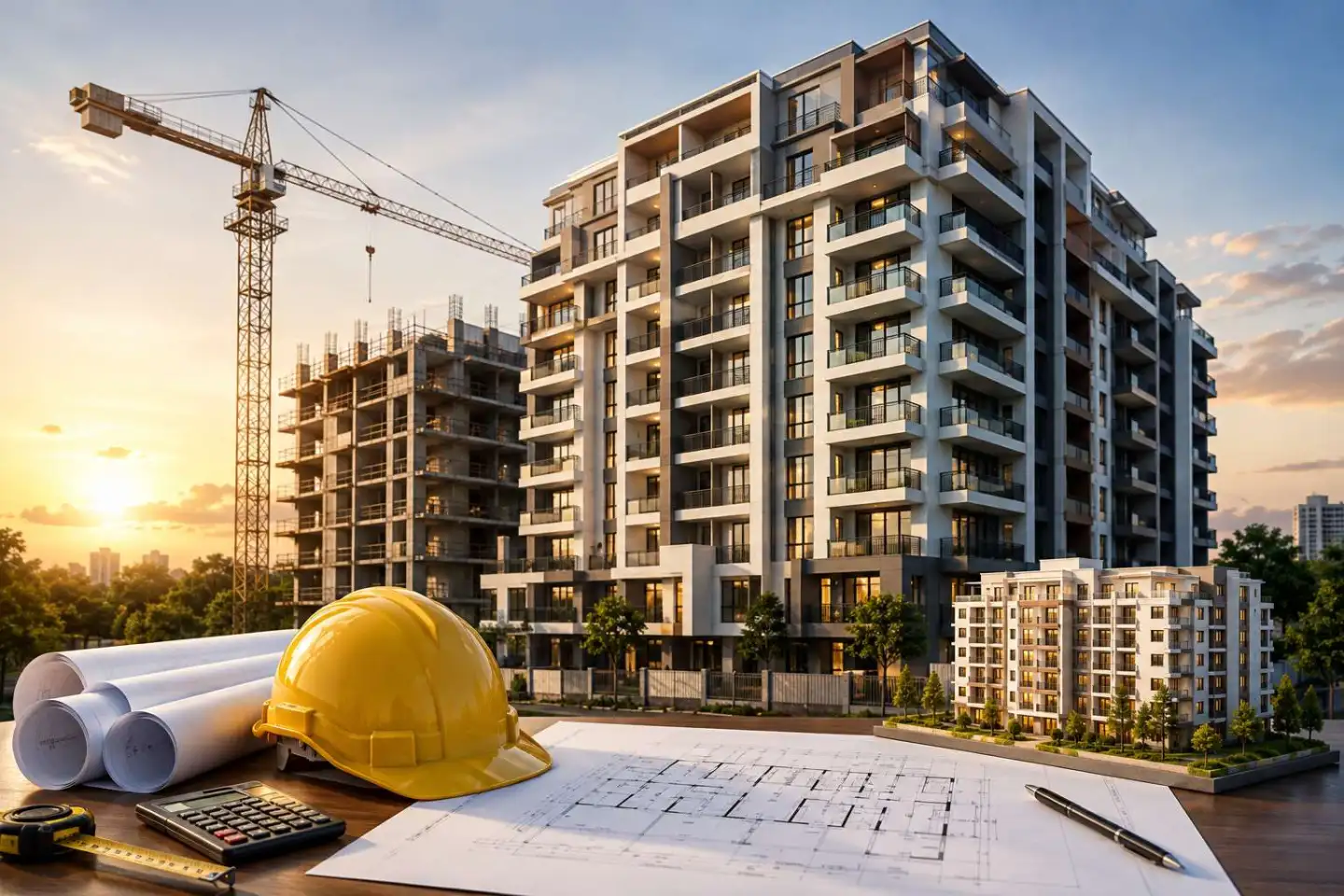
Every great industrial facility begins long before the first equipment is installed or production starts. It begins in the ground, concrete, structural steel, and engineered foundations. These elements support everything built above them.
Civil engineering provides the foundation that makes industrial operations possible. When engineers design and construct infrastructure correctly, it can perform reliably for decades. However, poor engineering can create safety risks, structural problems, operational delays, and high repair costs.
Industrial civil engineering goes far beyond general construction. It includes structural design, foundation engineering, concrete and steel works, drainage, site development, infrastructure planning, and quality assurance.
In addition, industrial facilities often operate under heavy loads, high pressure, vibration, and harsh environmental conditions. Therefore, high-quality civil engineering is not only a project requirement. It is essential for safety, reliability, and business continuity.
Understanding professional civil engineering services can help organizations make better decisions when planning, expanding, or maintaining industrial facilities.
What Industrial Civil Engineering Services Cover
Industrial civil engineering services support a project throughout its entire lifecycle. They can begin with site assessment and continue through design, construction, inspection, and long-term maintenance.
Each stage plays an important role in creating safe and reliable infrastructure.
Site Investigation and Assessment
Site investigation helps engineers understand the ground before construction begins. It identifies soil conditions, groundwater levels, ground stability, and other potential risks.
Engineers use this information to select suitable foundations and construction methods. As a result, organizations can reduce the risk of settlement, movement, and unexpected ground problems.
Structural Design
Structural design converts operational requirements into safe engineering solutions. Engineers design foundations, frames, floors, walls, roofs, platforms, and other structural elements.
They also consider the actual loads that the facility will experience. These may include machinery loads, vibration, equipment weight, wind, temperature changes, and operational forces.
Construction Supervision and Quality Assurance
Good design alone does not guarantee a successful structure. Contractors must also follow the approved drawings, specifications, and construction procedures.
Therefore, construction supervision is essential. Engineers inspect critical work, verify materials, monitor construction quality, and identify problems before they become more difficult to correct.
Structural Maintenance Support
Industrial structures require ongoing monitoring throughout their service life. Regular inspections help identify corrosion, cracking, settlement, deformation, and other forms of deterioration.
Early detection allows facility owners to plan repairs before minor problems develop into major structural concerns.
Why Civil Engineering Quality Is Critical in Industrial Settings
Industrial facilities create demanding conditions for buildings and infrastructure. Therefore, engineers must consider factors that may not exist in normal commercial or residential projects.
Structural Integrity Under Industrial Loads
Industrial facilities often contain heavy machinery, cranes, process equipment, pipe racks, storage systems, and rotating equipment. These systems can create both static and dynamic loads.
For example, rotating machinery may create continuous vibration. Cranes can create moving and impact loads. Process equipment may also produce concentrated forces in specific structural areas.
In addition, temperature changes can cause materials to expand and contract.
A structure that performs well under normal static loading may not perform safely under these conditions. Therefore, engineers must analyze the actual operating environment.
Professional civil engineers calculate the required strength, stiffness, stability, and durability. As a result, structures can perform safely throughout their intended service life.
Foundation Performance and Settlement Control
Foundations transfer structural and equipment loads safely into the ground. For this reason, foundation performance is critical in industrial facilities.
Poor foundation design can lead to settlement, differential movement, cracking, or equipment misalignment. It can also damage pipelines and connected systems.
In severe cases, foundation failure may affect the stability of an entire structure.
Repairing foundations after a facility becomes operational can be difficult and expensive. It may also require production shutdowns.
Therefore, engineers should address foundation risks before construction begins. Thorough ground investigation, geotechnical analysis, and proper foundation design can significantly reduce these risks.
Durability in Harsh Operating Environments
Industrial environments can expose structures to aggressive conditions. These may include chemicals, moisture, vibration, extreme temperatures, heavy traffic, and abrasive materials.
Over time, these conditions can damage both concrete and steel.
For example, concrete may experience chemical attack, cracking, carbonation, or reinforcement corrosion. Similarly, steel structures can suffer from corrosion, fatigue, and coating failure.
Engineers can reduce these risks by selecting suitable materials and protective systems. They can also use construction details that improve long-term durability.
Consequently, designing for durability from the beginning can reduce maintenance costs and extend structural service life.
Core Civil Engineering Services for Industrial Facilities
Industrial projects require several specialized civil engineering services. Each service supports the overall safety, reliability, and performance of the facility.
Structural Steel Design and Construction
Structural steel is widely used in industrial facilities. Common applications include building frames, equipment platforms, pipe racks, walkways, mezzanine floors, and support structures.
Steel provides high strength and flexibility. It can also support fast construction schedules. However, proper engineering remains essential.
Civil engineers design structural members and connections according to project requirements. They also review fabrication quality and supervise installation.
In addition, engineers can inspect completed steel structures to confirm that they meet design requirements.
Connection quality is especially important. Poor welding, incorrect bolting, or inaccurate fabrication can reduce structural performance. Therefore, careful inspection during fabrication and erection helps prevent long-term problems.
Reinforced Concrete Works
Reinforced concrete forms a major part of most industrial facilities. Engineers use it for equipment foundations, slabs, retaining walls, underground structures, drainage systems, and containment areas.
Concrete performance depends on several factors. These include mix design, reinforcement placement, pouring methods, compaction, and curing.
Therefore, engineers must control each stage carefully.
Industrial concrete must often provide more than basic structural strength. It may also need chemical resistance, low permeability, abrasion resistance, or enhanced durability.
For this reason, engineers should select the concrete specification according to the actual exposure conditions.
Site Development and Infrastructure
A successful industrial facility needs more than buildings and foundations. It also requires reliable site infrastructure.
Civil engineering services may include roads, heavy-duty pavements, stormwater drainage, underground utilities, cable routes, boundary structures, and external works.
Each system affects daily operations.
For example, poorly designed drainage can cause flooding or environmental problems. Inadequate pavements may deteriorate quickly under heavy industrial vehicles. Likewise, poorly planned underground utilities can create maintenance and safety challenges.
Therefore, engineers should develop site infrastructure as one coordinated system. This approach improves safety, efficiency, accessibility, and long-term maintainability.
Civil Quality Assurance and Inspection
Quality assurance helps confirm that construction work meets approved specifications and engineering requirements.
Civil quality inspections may include concrete testing, reinforcement checks, structural steel inspections, weld inspections, foundation testing, and dimensional verification.
Engineers perform these checks throughout construction rather than waiting until the project is complete.
As a result, project teams can identify problems earlier. Early correction usually costs less and reduces the risk of major rework.
Independent quality assurance also gives project owners greater confidence in the completed work. This is especially important on large industrial projects where several contractors may work at the same time.
Civil Engineering Support for Existing Industrial Facilities
Civil engineering remains important after construction is complete. Existing facilities need regular inspection, maintenance, repair, and sometimes structural upgrades.
Structural Condition Assessment
Industrial structures naturally deteriorate over time. Continuous loading, environmental exposure, vibration, moisture, and normal aging can affect structural performance.
A structural condition assessment helps determine the current condition of a building or structure.
Engineers may carry out visual inspections, non-destructive testing, document reviews, and structural analysis. They can then identify damage and determine its severity.
The assessment also helps facility owners prioritize maintenance. In addition, it can provide useful information about remaining service life and possible strengthening requirements.
When Is a Structural Assessment Needed?
A facility may require an assessment when engineers notice cracking, corrosion, settlement, deformation, or other signs of deterioration.
Assessments are also useful before installing heavier equipment or modifying an existing structure. Similarly, older facilities can benefit from regular structural reviews as part of an asset management program.
Early assessment helps organizations make informed decisions before structural problems become more serious.
Structural Repair and Rehabilitation
When structures become damaged or deteriorated, engineers develop suitable repair and rehabilitation solutions.
These solutions may include concrete repair, steel strengthening, foundation remediation, crack repair, protective coatings, and other structural improvements.
However, effective repair involves more than replacing damaged material.
Engineers first need to understand why the damage occurred. For example, corrosion may result from moisture or chemical exposure. Cracking may result from settlement, excessive loading, or movement.
Once engineers identify the root cause, they can select appropriate repair materials and methods. This approach helps prevent the same problem from returning.
How AMS System Solutions Delivers Civil Engineering Excellence
AMS System Solutions provides civil engineering services for industrial clients across construction, oil and gas, power generation, and manufacturing sectors.
Our team combines engineering knowledge with practical construction experience. As a result, we can develop solutions that address both technical requirements and real site conditions.
AMS System Solutions supports clients with structural design consultancy, construction supervision, quality assurance, condition assessments, and rehabilitation support.
In addition, our team understands the demanding conditions found in industrial environments. We focus on safety, durability, quality, and long-term structural performance.
From initial planning to ongoing facility support, AMS System Solutions works to deliver reliable civil engineering solutions that support successful industrial operations.
Frequently Asked Questions About Civil Engineering Services
What does a civil engineering service include for industrial projects?
Industrial civil engineering services can include site investigation, structural design, foundation engineering, concrete and steel construction supervision, quality assurance, infrastructure development, structural assessment, and maintenance support.
Why is specialized civil engineering important for industrial facilities?
Industrial facilities face demanding structural conditions. These can include heavy equipment loads, vibration, chemical exposure, high temperatures, and concentrated forces. Therefore, they require specialist engineering knowledge beyond standard construction practices.
What is a structural condition assessment and when is it needed?
A structural condition assessment evaluates the physical condition and structural performance of an existing structure. Facilities may need one when engineers identify deterioration, when the building reaches a significant age, or before major modifications and expansions.
How does civil engineering quality assurance protect industrial projects?
Quality assurance verifies that materials and construction work meet approved requirements. Engineers use testing, inspection, and verification to identify problems early. Therefore, quality assurance can reduce defects, rework, delays, and future repair costs.
What causes concrete deterioration in industrial environments?
Several factors can damage industrial concrete. These include chemical exposure, moisture, chloride ingress, carbonation, reinforcement corrosion, abrasion, settlement, and excessive loading. Regular inspection helps identify these problems before they become severe.
Can civil engineering services support facility expansions and modifications?
Yes. Civil engineers can assess whether existing structures can safely support additional loads. They can also design strengthening solutions and supervise construction work during facility modifications.
How important is ground investigation before industrial construction?
Ground investigation is one of the most important early stages of an industrial project. It helps engineers understand soil and groundwater conditions before designing foundations. As a result, it reduces the risk of unexpected ground problems during and after construction.
What role does civil engineering play in industrial safety?
Civil engineering supports industrial safety by creating stable structures, reliable foundations, safe access systems, effective drainage, and durable infrastructure. It also helps ensure that buildings and structures can safely carry their expected loads throughout their service life.
Conclusion
Civil engineering forms the foundation of every successful industrial facility. Structural design, foundation engineering, construction quality, and long-term maintenance all affect facility safety and performance.
Therefore, organizations should involve professional civil engineers from the earliest stages of a project.
High-quality engineering can reduce structural risks, improve durability, support safe operations, and control long-term maintenance costs. It also helps organizations identify and solve problems before they lead to major disruption.
Whether you are planning a new industrial facility, expanding an existing site, or managing aging infrastructure, professional civil engineering expertise can protect your assets and support long-term operational success.
Build With Confidence Using AMS System Solutions Civil Engineering Services
Your industrial infrastructure needs a strong and reliable engineering foundation.
AMS System Solutions provides the technical expertise, practical experience, and commitment to quality required for demanding industrial civil engineering projects.
Contact AMS System Solutions today to discuss your civil engineering requirements. Our team can support your project from initial planning and structural design through construction supervision, quality assurance, assessment, and long-term structural performance.