Industrial equipment does not fail without warning. In most cases, there are clear signs of deterioration happening long before a breakdown occurs. The problem is that these signs are invisible to the naked eye and undetectable without the right technology and expertise. This is exactly why condition monitoring has become one of the most valuable tools in modern industrial maintenance strategy.
Understanding Condition Monitoring and Its Purpose
Condition monitoring is the continuous or periodic measurement of physical parameters in operating machinery and equipment to detect any changes that may indicate developing faults. Rather than waiting for a machine to break down or relying on fixed time based maintenance schedules, condition monitoring allows maintenance teams to act on real data gathered from the equipment itself. This approach shifts maintenance from reactive to predictive, which is where the greatest gains in efficiency, safety, and cost savings are achieved.
The core idea is simple. Healthy equipment behaves in predictable ways. When something starts to go wrong, whether it is bearing wear, shaft misalignment, electrical imbalance, or lubrication failure, the machine begins to behave differently. Condition monitoring captures these behavioral changes early and gives engineers the intelligence they need to plan maintenance at the right time.
Key Techniques That Power Condition Monitoring Programs
Vibration analysis is one of the most widely used condition monitoring techniques in rotating machinery. Every machine has a natural vibration signature when operating normally. As components wear or become misaligned, the vibration pattern changes in specific ways that experienced analysts can interpret to pinpoint the source and severity of the problem. This technique is particularly powerful in motors, pumps, compressors, gearboxes, and fans.
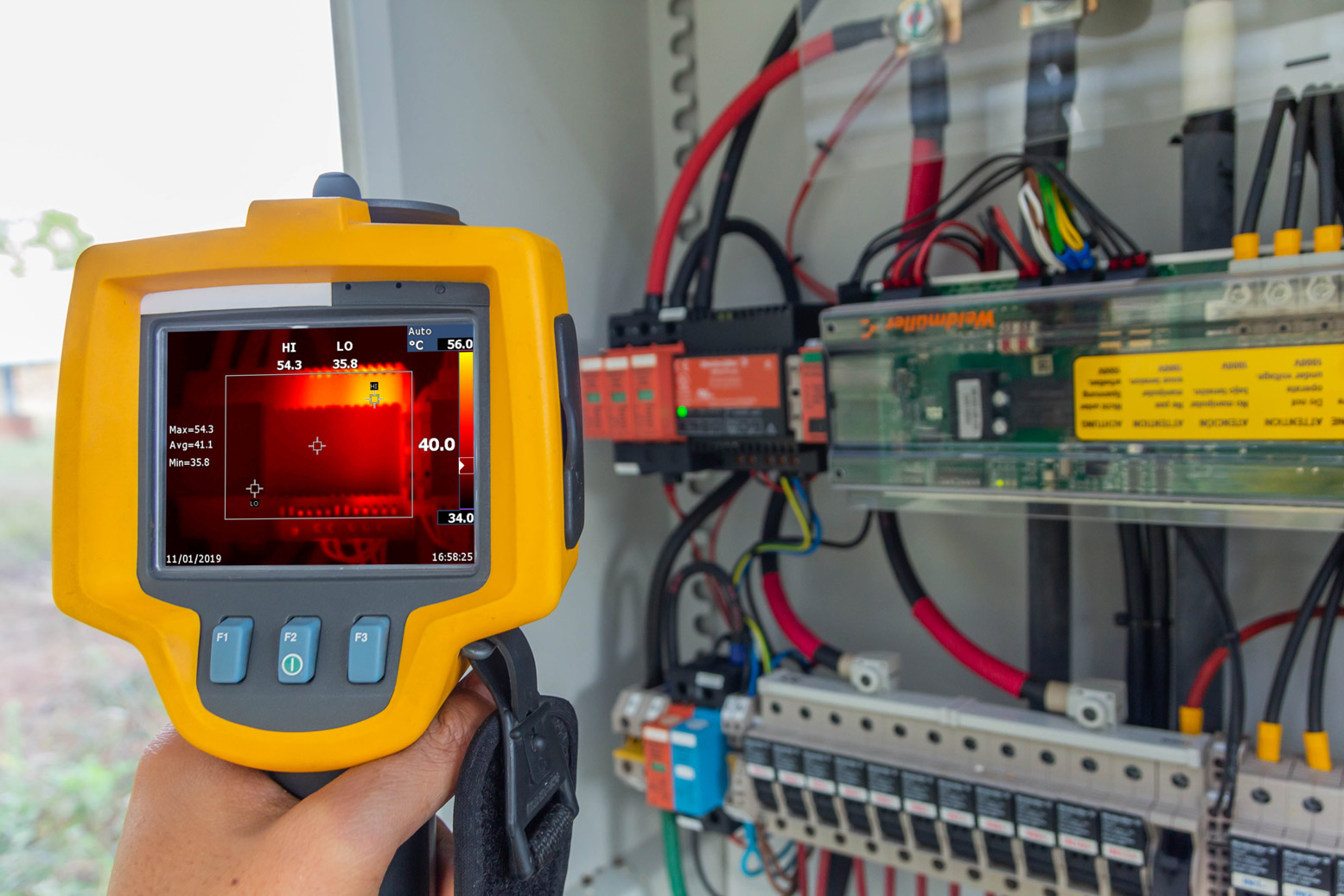
Infrared thermography is another critical method that uses thermal imaging cameras to detect abnormal heat patterns in electrical panels, mechanical systems, and process equipment. Overheating is one of the earliest indicators of electrical failure, excessive friction, or insulation breakdown. Thermography allows engineers to find these hotspots safely and quickly without interrupting operations.
Lubrication analysis involves testing oil samples from machinery to assess the condition of both the lubricant and the machine itself. The presence of metal particles, moisture, or chemical contamination in oil samples tells a detailed story about internal wear and the overall health of the equipment. This technique is especially valuable in gearboxes, hydraulic systems, and diesel engines.
Ultrasonic testing in condition monitoring detects high frequency sounds produced by leaks, friction, electrical discharge, and mechanical defects. These sounds are beyond the range of human hearing but can be captured and analyzed with ultrasonic equipment to identify problems at their earliest stage.
Why Predictive Maintenance Outperforms Traditional Approaches
Traditional time based maintenance follows fixed schedules regardless of the actual condition of equipment. This often results in replacing components that still have useful life remaining or missing failures that develop rapidly between scheduled intervals. Reactive maintenance, on the other hand, means waiting until something breaks and then dealing with the consequences, which usually include emergency repair costs, unplanned downtime, and potential safety risks.
Predictive maintenance powered by condition monitoring addresses both of these weaknesses. Maintenance is performed when data indicates it is genuinely needed, not before and not after. This leads to longer equipment life, better use of maintenance resources, fewer production disruptions, and a significantly safer working environment.
The Connection Between Condition Monitoring and Asset Reliability
Asset reliability is the foundation of sustainable industrial operations. An asset that fails unexpectedly does not just cost money to repair. It disrupts production schedules, affects downstream processes, and in many industries, creates serious safety and environmental risks. Condition monitoring is one of the most direct paths to improving asset reliability because it keeps decision makers informed about the true state of every critical piece of equipment in their facility.
When condition monitoring is integrated with a formal asset reliability program, organizations gain a complete picture of equipment health across their entire operation. Trends can be tracked over time, failure patterns identified, and maintenance strategies continuously refined to improve performance.
How AMS System Solutions Delivers Condition Monitoring Excellence
AMS System Solutions brings together certified engineers, advanced diagnostic equipment, and deep industry knowledge to deliver condition monitoring services that genuinely improve operational performance. With extensive experience across oil and gas, power generation, manufacturing, and heavy industry, AMS applies vibration analysis, thermography, lubrication analysis, and ultrasonic techniques to give clients actionable insights into the health of their critical assets.
Every condition monitoring program delivered by AMS is aligned with international reliability standards and tailored to the specific operational demands of each client. The goal is not just to detect problems but to help clients build smarter, safer, and more efficient maintenance cultures.
Conclusion
In an era where industrial downtime is increasingly costly and equipment complexity continues to grow, condition monitoring is no longer optional. It is a strategic necessity for any organization serious about asset performance, workplace safety, and operational continuity. Investing in professional condition monitoring services means investing in the long term health of your assets and the sustained success of your operations.