Behind every industrial facility that runs smoothly, safely, and profitably, there is a disciplined operation and maintenance program working quietly in the background. It is not the most visible aspect of industrial management, but it is arguably the most important. When operation and maintenance is done right, equipment runs at peak performance, shutdowns are planned rather than forced, and the workforce operates in a safer and more productive environment. When it is neglected, the costs accumulate fast and the risks grow faster.
Many organizations still treat maintenance as a reactive function, something that happens after a breakdown rather than something that prevents one. This approach is not just inefficient. It is expensive, dangerous, and increasingly incompatible with the demands of modern industrial operations. Professional operation and maintenance services represent a smarter, more strategic way to manage industrial assets and the people who depend on them every day.
What Operation and Maintenance Services Actually Cover
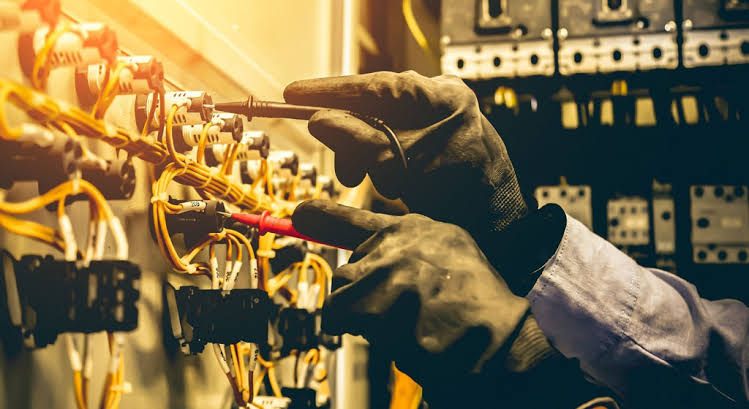
Operation and maintenance services encompass the full range of activities required to keep industrial equipment, systems, and facilities functioning at their intended level of performance throughout their operational life. This includes routine servicing, scheduled preventive maintenance, corrective repairs, operational support, technical supervision, and the management of maintenance planning and documentation.
At a strategic level, it also includes the development of maintenance management systems, maintenance procedure documentation, spare parts management, and the integration of condition monitoring data into maintenance decision making. In short, operation and maintenance services touch every aspect of how a facility manages its physical assets from day to day.
The scope of these services varies depending on the industry, the complexity of the facility, and the operational demands of the client. What remains consistent is the goal: keeping assets available, reliable, and safe while controlling the total cost of ownership over their entire life cycle.
The True Cost of Poor Maintenance Practices
Unplanned Downtime and Production Losses
Unplanned equipment failures are among the most disruptive and costly events in industrial operations. When a critical piece of equipment breaks down unexpectedly, production stops, deadlines are missed, and the scramble to restore operations begins. Emergency repairs are almost always more expensive than planned maintenance, and the secondary costs of lost production, delayed deliveries, and client dissatisfaction compound the financial impact significantly.
A well-structured operation and maintenance program dramatically reduces the frequency of unplanned failures by addressing the root causes of equipment deterioration before they reach the point of breakdown. This shift from reactive to proactive maintenance is one of the most impactful changes an industrial organization can make.
Accelerated Equipment Deterioration
Equipment that is not properly operated and maintained deteriorates far faster than its design life would suggest. Lubrication failures, misalignment, contamination, overloading, and improper operation all accelerate wear and reduce the useful life of mechanical, electrical, and structural components. The cumulative cost of replacing equipment prematurely is enormous compared to the relatively modest investment required to maintain it correctly.
Safety and Compliance Risks
Poorly maintained equipment is not just an operational problem. It is a safety hazard. Machines operating outside their design parameters, with worn components, failing safety devices, or inadequate lubrication, present genuine risks to the people working with and around them. Regulatory bodies take a serious view of maintenance failures that contribute to workplace incidents, and the legal and reputational consequences of such incidents extend well beyond the immediate cost of the event.
Core Elements of a Professional Operation and Maintenance Program
Preventive Maintenance Planning
Preventive maintenance is the practice of performing scheduled servicing, inspection, and component replacement at defined intervals to prevent failures before they occur. It is based on manufacturer recommendations, operational experience, and technical knowledge of how equipment degrades over time.
An effective preventive maintenance program begins with a thorough understanding of every asset in the facility, its criticality to operations, its maintenance requirements, and the consequences of its failure. This understanding drives the development of maintenance schedules, task lists, and resource plans that keep maintenance activities organized, timely, and properly resourced.
Corrective Maintenance and Rapid Response
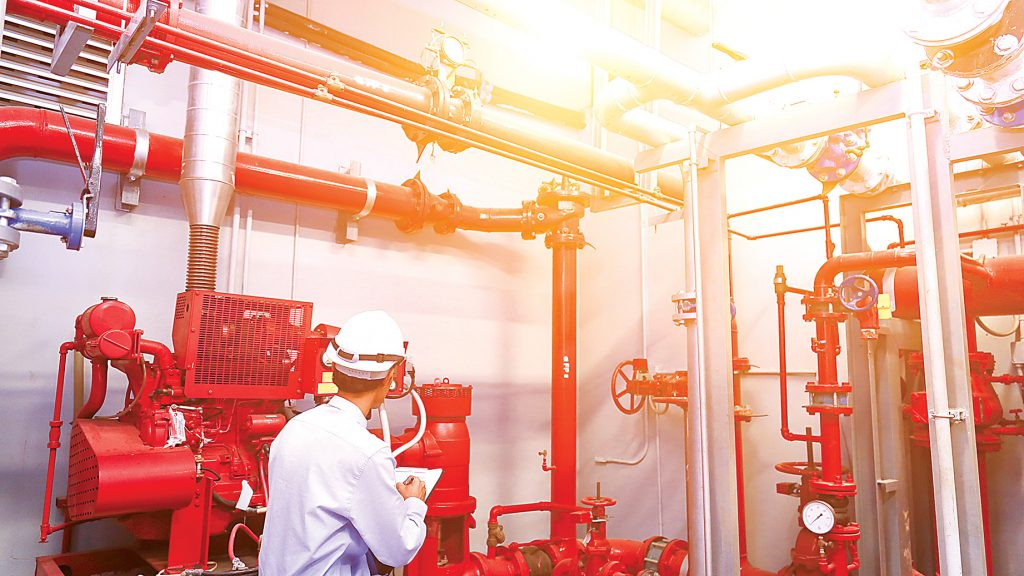
Even the best preventive maintenance program cannot eliminate all failures. Corrective maintenance is the structured process of diagnosing faults, sourcing parts, carrying out repairs, and returning equipment to service as efficiently as possible. The difference between corrective maintenance in a well-managed facility and emergency repair in a poorly managed one is enormous in terms of speed, cost, and disruption.
A professional operation and maintenance program includes defined corrective maintenance procedures, trained technicians, appropriate spare parts inventory, and clear escalation paths for complex or critical failures. This preparation transforms what could be a crisis into a managed and controlled response.
Technical Operations Support
Operation support goes beyond maintenance activities to encompass the day-to-day technical management of facility systems and processes. This includes monitoring operational parameters, ensuring equipment is operated within its design envelope, managing shift handovers, maintaining operational logs, and providing technical guidance to operators working with complex systems.
Strong operational support prevents many maintenance problems before they develop by catching early signs of abnormal behavior during routine operations. Operators who understand their equipment and know what normal looks like are one of the most effective early warning systems in any facility.
Maintenance Documentation and Management Systems
Accurate and accessible maintenance documentation is the backbone of any professional maintenance program. Work orders, maintenance histories, inspection records, calibration certificates, and equipment manuals must all be properly maintained and readily available to the teams who need them.
Many organizations today use computerized maintenance management systems to organize and manage this information. These platforms enable maintenance planning, track work order status, manage spare parts inventory, and generate reporting that supports management decision-making. Implementing and optimizing a maintenance management system is itself a specialist activity that experienced operation and maintenance service providers are well-placed to support.
Maintenance Strategies That Drive Industrial Performance
Reliability Centered Maintenance
Reliability centered maintenance is a systematic approach to developing maintenance programs based on a thorough analysis of how equipment can fail and what the consequences of each failure mode would be. Rather than applying the same maintenance approach to every asset regardless of its criticality or failure characteristics, reliability centered maintenance tailors the strategy to the specific risk profile of each asset.
This approach ensures that maintenance resources are focused where they deliver the greatest value in terms of reliability, safety, and cost efficiency. It avoids both over maintenance of low risk assets and under-maintenance of critical ones.
Predictive Maintenance Integration
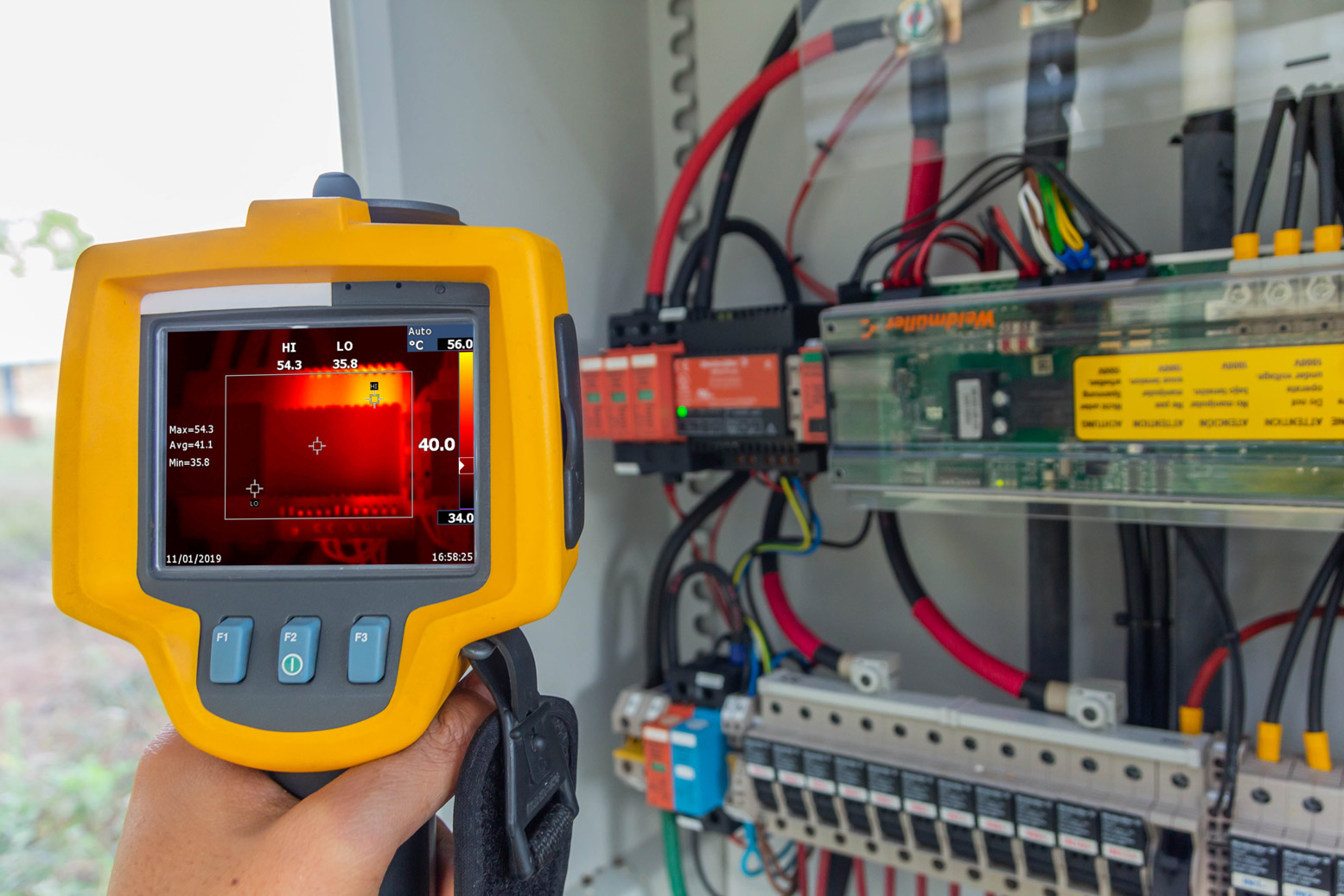
Predictive maintenance uses data gathered through condition monitoring techniques such as vibration analysis, thermography, oil analysis, and ultrasonic inspection to predict when equipment is likely to fail and plan maintenance accordingly. By performing maintenance based on the actual condition of equipment rather than fixed time intervals, organizations can extend component life, reduce unnecessary maintenance activities, and avoid failures that preventive schedules might miss.
Integrating predictive maintenance into an operation and maintenance program requires both the technical capability to gather and interpret condition monitoring data and the organizational processes to translate that data into timely maintenance actions. This integration represents one of the most significant opportunities for improvement available to industrial maintenance organizations today.
Shutdown and Turnaround Management
Planned shutdowns and turnarounds are intensive periods during which major maintenance, inspection, and modification work is carried out on process equipment that cannot be accessed during normal operations. Managing a shutdown effectively requires meticulous planning, precise coordination of resources, and rigorous execution to complete all required work within the allocated window and return the facility to operation safely and on schedule.
Experienced operation and maintenance service providers bring the planning expertise, technical workforce, and project management capability needed to execute shutdowns efficiently. The quality of shutdown management has a direct and significant impact on both the cost of the turnaround and the reliability of the facility in the period following it.
Why Industry Specific Experience Matters in Operation and Maintenance
Operation and maintenance is not a generic activity. The specific requirements of maintaining equipment in an oil refinery are fundamentally different from those in a power plant, a manufacturing facility, or a civil infrastructure project. Equipment types, failure modes, safety requirements, regulatory frameworks, and operational demands all vary significantly between sectors.
Experienced operation and maintenance service providers bring sector-specific knowledge that enables them to anticipate the unique challenges of each environment, apply the most appropriate maintenance strategies, and deliver results that generalist providers simply cannot match. When evaluating a maintenance service partner, industry experience is one of the most important criteria to consider.
How AMS System Solutions Delivers Operation and Maintenance Excellence
AMS System Solutions provides comprehensive operation and maintenance services across mechanical, electrical, and civil disciplines for clients in oil and gas, power generation, manufacturing, and industrial sectors. With over a decade of hands-on experience, AMS delivers maintenance programs that are technically rigorous, operationally practical, and aligned with the specific goals of each client.
From preventive maintenance planning and corrective repair management to shutdown support and technical operations assistance, AMS brings qualified technicians, proven procedures, and genuine commitment to asset performance to every engagement. The result is reduced downtime, extended equipment life, improved safety standards, and measurable improvement in overall operational efficiency.
Frequently Asked Questions
What is the difference between operation and maintenance services?
Operations refers to the day-to-day running and supervision of equipment and processes, while maintenance covers the activities required to keep that equipment in reliable working condition. Professional operation and maintenance services address both disciplines in an integrated way.
Why is preventive maintenance better than reactive maintenance?
Preventive maintenance addresses the causes of equipment deterioration before failures occur, reducing unplanned downtime, extending asset life, and lowering overall maintenance costs compared to the expensive emergency repairs associated with reactive maintenance.
How does a maintenance management system improve operations?
A maintenance management system organizes work orders, tracks maintenance history, manages spare parts, and generates performance reports that help maintenance teams plan more effectively, respond faster to failures, and demonstrate compliance with maintenance requirements.
What industries benefit most from professional operation and maintenance services?
Oil and gas, power generation, petrochemical, manufacturing, water treatment, and civil infrastructure industries all benefit significantly from professional operation and maintenance programs due to the complexity of their equipment and the high cost of operational failures.
How often should preventive maintenance be carried out?
Preventive maintenance frequency depends on the type of equipment, manufacturer recommendations, operational intensity, and environmental conditions. A professional maintenance service provider can help determine the optimal maintenance intervals for each asset based on its specific risk profile.
What is reliability centered maintenance?
Reliability centered maintenance is a structured approach to developing maintenance programs based on analysis of failure modes and their consequences. It ensures that maintenance strategies are matched to the actual risk profile of each asset rather than applying a one-size-fits-all approach.
Can operation and maintenance services support shutdown and turnaround planning?
Yes. Experienced operation and maintenance service providers offer specialist support for planned shutdowns and turnarounds, including scope development, resource planning, execution management, and post-shutdown performance review.
How do operation and maintenance services contribute to workplace safety?
Well maintained equipment operates within its design parameters, with functioning safety devices and properly lubricated components, significantly reducing the risk of failures that could injure workers or damage the facility.
Conclusion
Operation and maintenance services are the engine that keeps industrial facilities performing at their best over the long term. They protect equipment investment, reduce the financial and operational impact of failures, support regulatory compliance, and create safer working environments. Organizations that treat maintenance as a strategic priority rather than a reactive cost consistently outperform those that do not in terms of asset reliability, production efficiency, and safety performance.
The choice of operation and maintenance partner is one of the most consequential decisions an industrial organization can make. Experience, technical capability, and a genuine commitment to client outcomes are what separate excellent maintenance service providers from adequate ones.