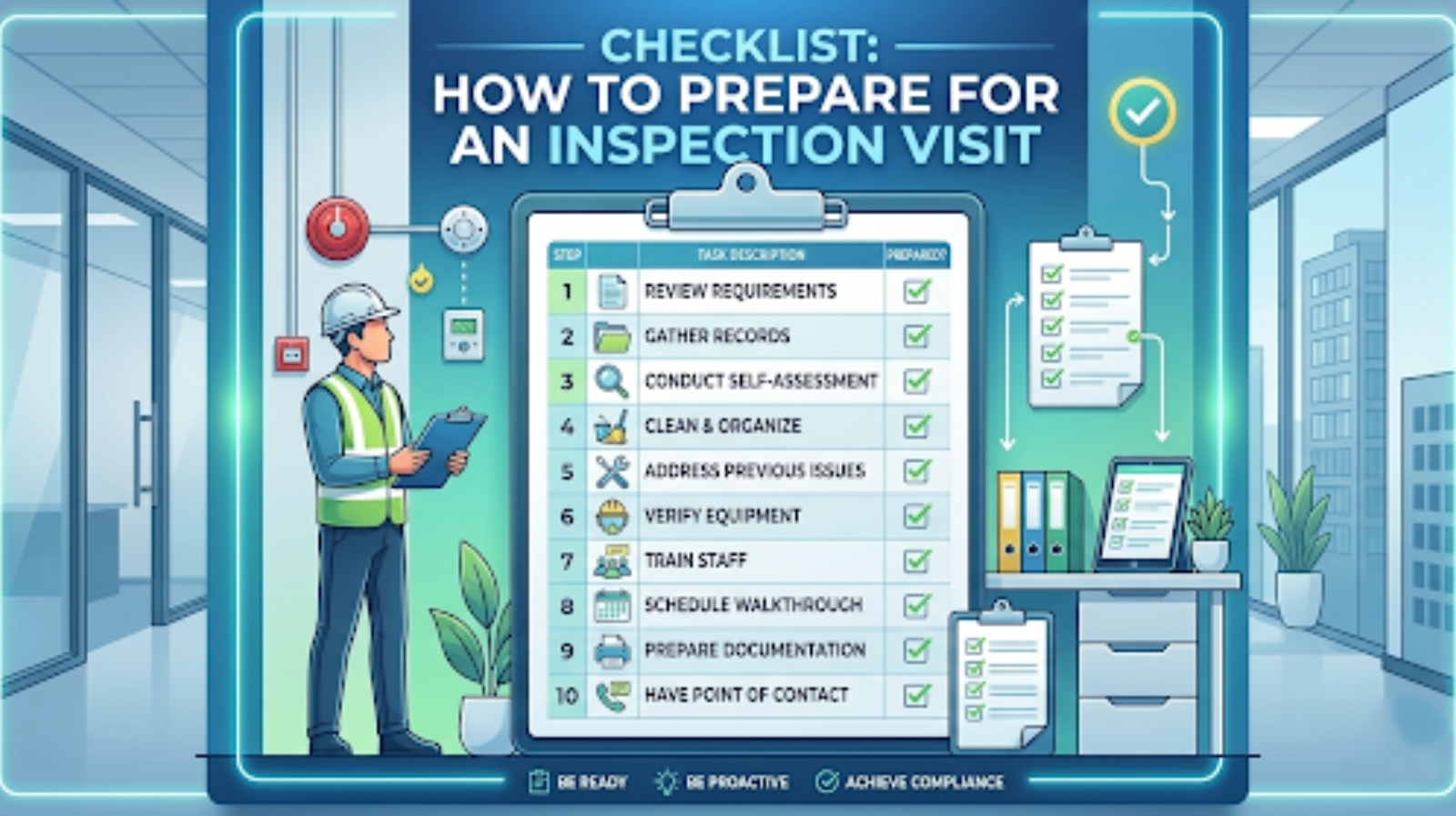
In industrial projects, ensuring quality and compliance is critical to success, safety, and long-term operational efficiency. Relying solely on in-house inspections can introduce bias, oversight, or gaps in quality assurance. This is where third-party inspections (TPI) become essential. Third-party inspections provide independent verification, increase credibility, and help organizations comply with international standards, regulations, and client expectations.
AMS System Solutions specializes in delivering reliable third-party inspection services across multiple industries, including civil, mechanical, electrical, oil and gas, and energy sectors. This guide outlines the step-by-step process of third-party inspection and highlights how it enhances quality assurance.
Step 1: Understanding Project Requirements
Before initiating an inspection, it’s crucial to define the scope, standards, and objectives. This includes:
- Identifying applicable industry standards and codes (ISO, API, ASME, etc.)
- Clarifying project specifications and contract requirements
- Determining critical quality parameters and inspection points
- Understanding client expectations and regulatory obligations
Proper preparation ensures that the inspection is focused, thorough, and aligned with project goals.
Step 2: Selecting a Qualified Third-Party Inspector
A competent third-party inspector must be independent, certified, and experienced in the relevant industry sector. Key selection criteria include:
- Technical qualifications and certifications
- Proven track record in similar projects
- Knowledge of local and international standards
- Strong reporting and communication skills
AMS System Solutions provides certified inspectors and specialized teams to ensure impartial and accurate assessments.
Step 3: Reviewing Documentation and Technical Drawings
Inspectors begin by thoroughly reviewing project documentation, including:
- Engineering drawings and specifications
- Material certificates and procurement records
- Fabrication and assembly procedures
- Previous inspection reports and quality records
This step helps identify potential risks and areas requiring special attention during physical inspection.
Step 4: Pre-Inspection Planning and Site Preparation
Effective inspection requires coordination with the client, contractors, and project teams. Planning activities include:
- Scheduling inspection dates to align with project milestones
- Ensuring accessibility of equipment, components, or structures
- Confirming availability of required tools, instruments, and safety equipment
- Identifying potential hazards and implementing safety protocols
Pre-inspection planning ensures smooth execution and minimal disruption to ongoing operations.
Step 5: Physical Inspection and Testing
The core of third-party inspection involves on-site verification and testing. Depending on the project, inspectors perform:
- Visual inspections for material defects, weld quality, and assembly
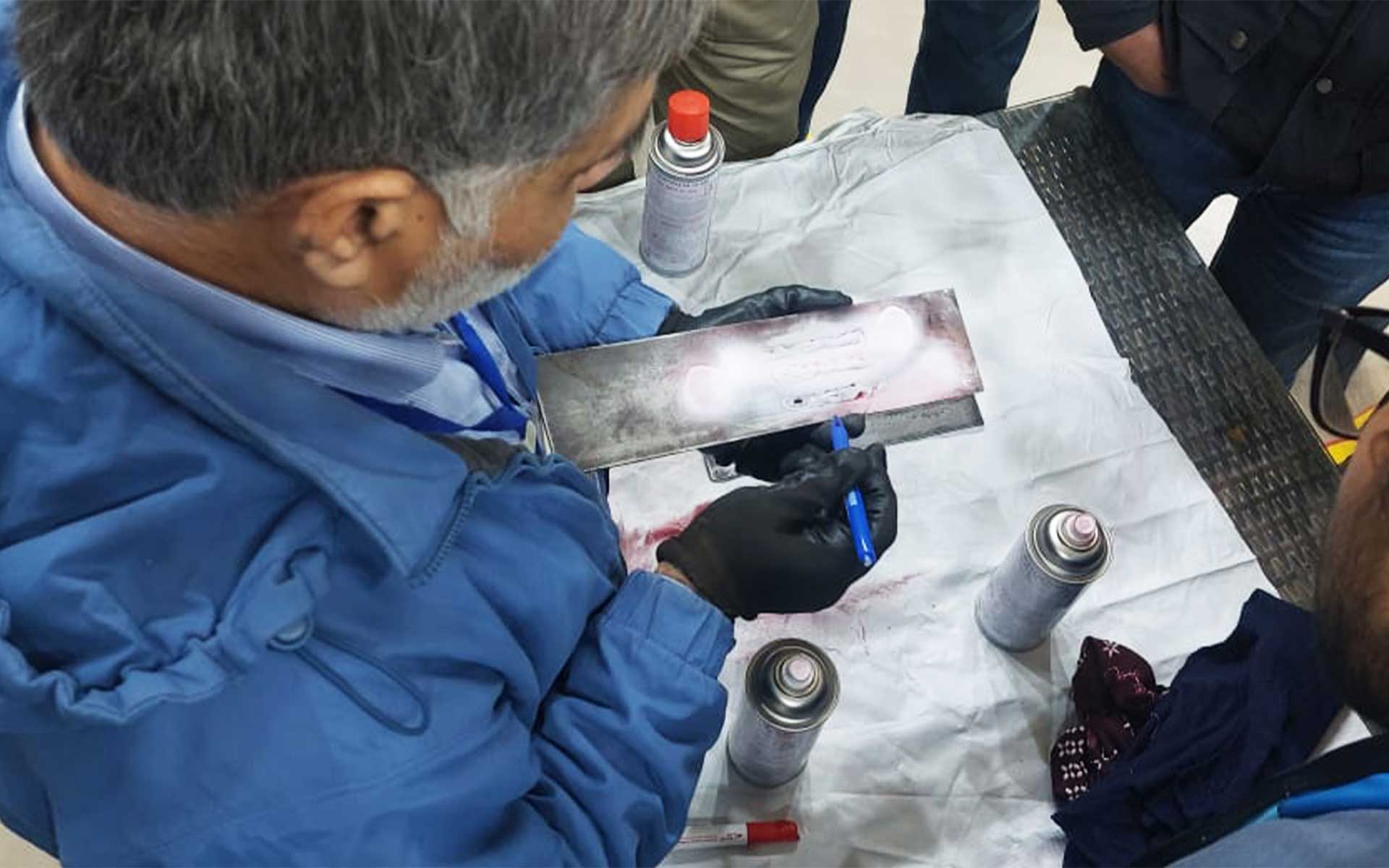
- Non-destructive testing (NDT) such as ultrasonic, radiographic, or magnetic particle testing
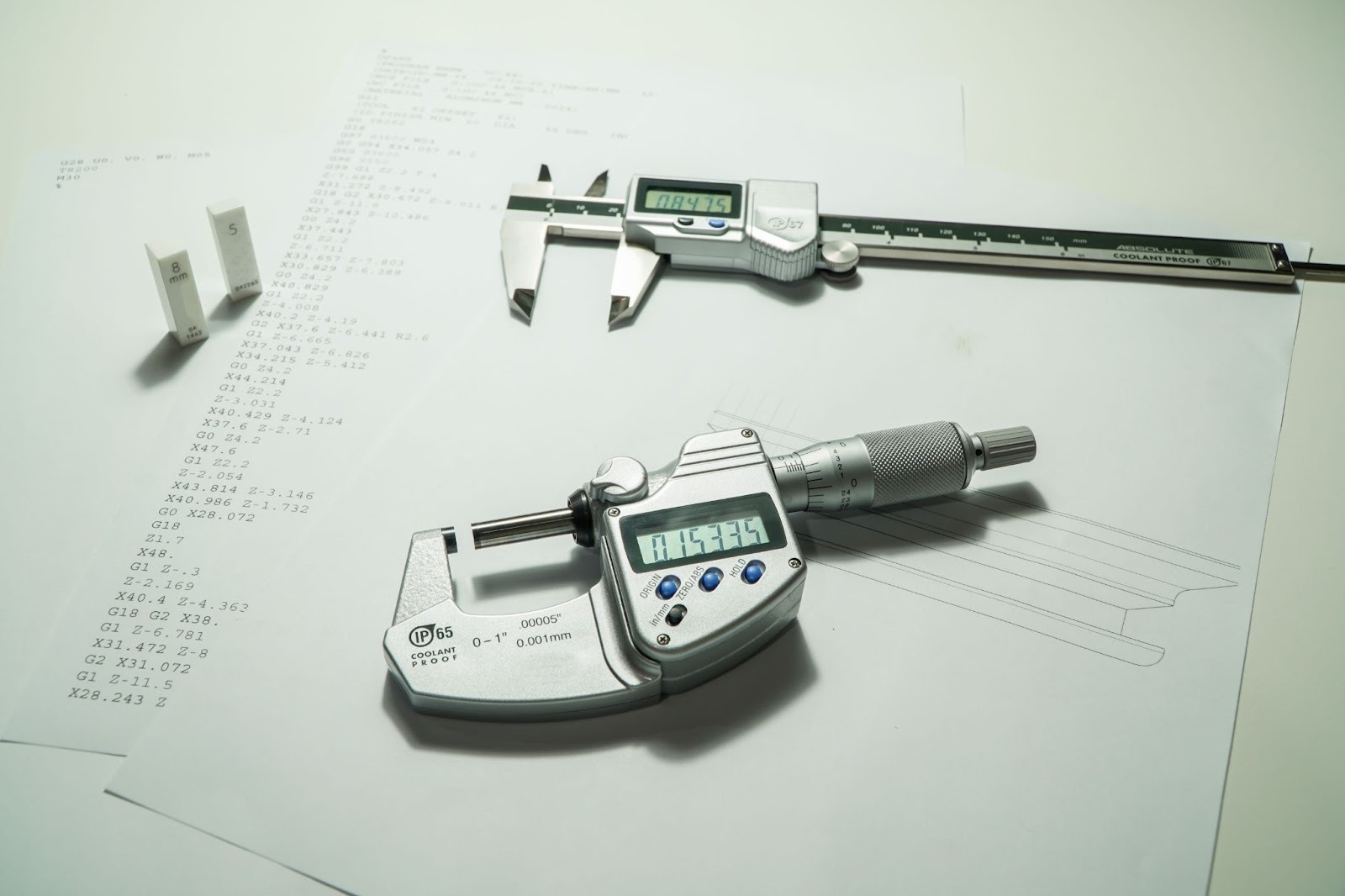
- Dimensional checks and alignment verification
- Functional testing of mechanical, electrical, or safety systems
- Calibration checks for measuring instruments and critical components
This step provides objective verification of compliance with quality standards.
Step 6: Identifying Non-Conformities and Recommendations
Inspectors document any deviations, defects, or potential risks identified during the inspection. They provide:
- Detailed non-conformance reports
- Recommendations for corrective actions
- Priority classification based on severity and safety impact
- Guidance on preventive measures to avoid recurrence
Prompt identification of non-conformities helps the project stay on schedule while maintaining quality standards.
Step 7: Reporting and Certification
After inspection, a comprehensive inspection report is prepared, containing:
- Detailed findings and observations
- Supporting evidence (photos, measurements, and test results)
- Compliance verification against applicable standards
- Recommendations and follow-up actions
- Certification or approval statement if criteria are met
These reports provide clients with confidence in the quality, safety, and compliance of the project.
Step 8: Follow-Up and Verification
Third-party inspection does not end with reporting. Inspectors often perform follow-up visits to verify that corrective actions are implemented. This ensures:
- Issues identified in the initial inspection are resolved
- Equipment and systems operate according to specifications
- Continuous compliance with safety and quality standards
This continuous verification strengthens long-term reliability and operational safety.
Benefits of Third-Party Inspection
Implementing third-party inspection offers numerous advantages:
- Independent and unbiased assessment for quality assurance
- Regulatory and contractual compliance with standards
- Early detection of defects reducing costly rework
- Enhanced credibility with clients and stakeholders
- Improved operational efficiency and safety
AMS System Solutions ensures that third-party inspections maximize these benefits through professional expertise and industry-specific knowledge.
Conclusion
Third-party inspection is a critical component of industrial quality assurance, offering impartial evaluation, compliance verification, and risk mitigation. By following a systematic step-by-step process—from understanding project requirements to follow-up verification—organizations can ensure higher quality, safer operations, and greater client confidence.
AMS System Solutions provides certified, reliable, and comprehensive third-party inspection services to support industrial projects across multiple sectors. Partnering with professional inspectors not only safeguards your project’s quality but also reinforces trust, efficiency, and compliance.
Contact AMS System Solutions today to schedule expert third-party inspection services and ensure the highest standards of quality and reliability for your projects.