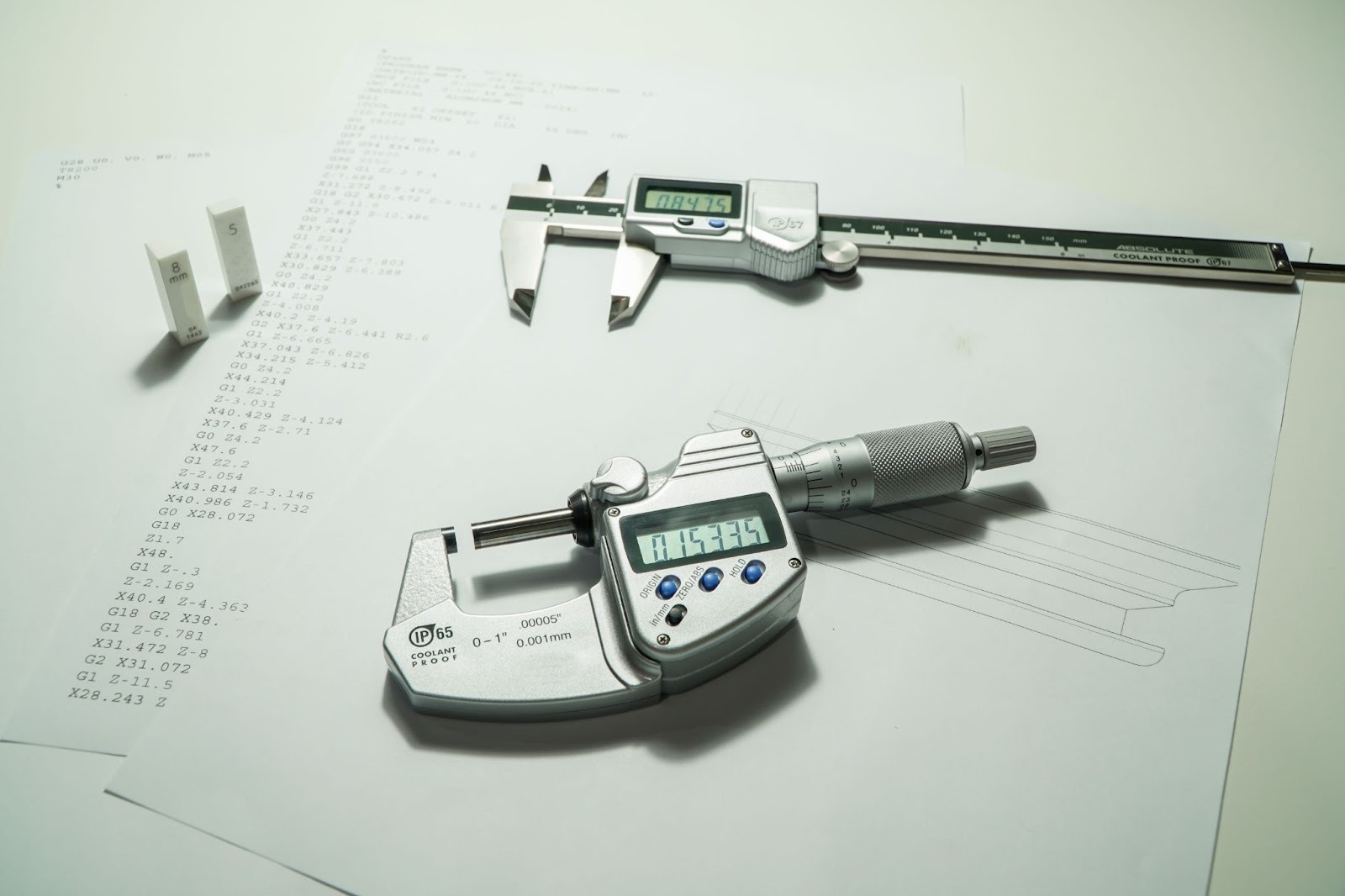
In modern industrial environments, accurate measurements are critical to quality, safety, and operational efficiency. From pressure and temperature gauges to electrical and flow measuring instruments, every decision relies on the accuracy of measurement equipment. Without proper calibration planning, even the most advanced systems can deliver incorrect data—leading to quality defects, safety risks, regulatory non-compliance, and costly rework.
A calibration planning template provides a structured and systematic approach to managing calibration activities across an organization. It ensures that all measuring instruments are calibrated at the right time, using the right standards, and documented correctly.
At AMS System Solutions, we emphasize the importance of proactive calibration planning as a key component of asset reliability, quality assurance, and operational excellence.
What Is Calibration Planning?
Calibration planning is the process of defining, scheduling, executing, and documenting calibration activities for measuring and testing equipment. It involves identifying critical instruments, determining calibration intervals, assigning responsibilities, and maintaining traceable records.
A calibration planning template acts as a centralized tool that allows organizations to manage calibration activities efficiently while ensuring consistency and compliance with applicable standards.
Without a defined plan, calibration often becomes reactive—performed only when issues arise—leading to measurement errors and operational risks.
Why Calibration Planning Is Essential
A structured calibration plan delivers multiple operational and financial benefits:
- Ensures consistent measurement accuracy
- Supports compliance with ISO and regulatory standards
- Reduces quality defects and rework
- Improves audit readiness
- Minimizes unplanned downtime
- Extends equipment life
By implementing a calibration planning template, organizations gain better control over their measurement systems and reduce the risk of unexpected failures.
Key Challenges Without a Calibration Plan
Organizations that lack a structured calibration plan often face:
- Missed calibration due dates
- Inconsistent calibration practices
- Lack of traceability and documentation
- Audit non-conformities
- Increased product rejection or process errors
- Higher maintenance and operational costs
A calibration planning template directly addresses these challenges by providing clarity, accountability, and consistency.
Calibration Planning Template Overview
Below is a comprehensive calibration planning template designed to suit industrial, manufacturing, energy, and infrastructure sectors. This template can be customized based on organizational size and operational complexity.
1. General Information
This section establishes ownership and accountability for the calibration plan.
Details to include:
- Company / Site Name
- Department
- Calibration Plan Reference Number
- Prepared By
- Approved By
- Effective Date
- Review Date
Clear documentation ensures version control and accountability.
2. Equipment Inventory Register
A complete inventory of all measuring instruments is the foundation of effective calibration planning.
Typical fields include:
- Equipment ID / Tag Number
- Equipment Name
- Location
- Manufacturer
- Model and Serial Number
Maintaining an up-to-date equipment register ensures no critical instrument is overlooked.
3. Measurement Parameters and Criticality
Each instrument should be evaluated based on what it measures and how critical it is to operations.
Key considerations:
- Measurement parameter (pressure, temperature, flow, electrical, dimensional, etc.)
- Measurement range
- Required accuracy or tolerance
- Usage criticality (High / Medium / Low)
This classification helps prioritize calibration frequency and resource allocation.
4. Calibration Requirements
This section defines how calibration will be performed.
Include the following:
- Applicable calibration standards
- Traceability requirements (national or international standards)
- Calibration method (internal or external)
- Calibration location (on-site or laboratory)
- Environmental conditions required for calibration
Defining requirements upfront ensures consistency and compliance.
5. Calibration Frequency and Scheduling
Calibration intervals should be determined based on equipment criticality, usage, manufacturer recommendations, and historical performance.
Fields to include:
- Equipment ID
- Calibration interval (monthly, quarterly, annually, etc.)
- Last calibration date
- Next due date
A structured schedule helps prevent overdue calibrations and supports proactive maintenance planning.
6. Roles and Responsibilities
Clear assignment of responsibilities ensures effective execution of the calibration plan.
Typical roles include:
- Calibration Coordinator
- Maintenance or Quality Engineer
- External Calibration Service Provider
- Approval Authority
At AMS System Solutions, we often support clients as a trusted calibration service provider, ensuring accuracy and traceability.
7. Calibration Results and Status Tracking
This section captures the outcome of each calibration activity.
Information to record:
- Calibration date
- Calibration status (Pass / Fail)
- Measurement results
- Adjustments made (if any)
- Equipment condition after calibration
Tracking results helps identify trends and recurring issues.
8. Non-Conformance and Corrective Action
When instruments fail calibration, immediate action is required to prevent inaccurate measurements.
Include:
- Description of non-conformance
- Root cause analysis
- Corrective action taken
- Completion date
This section ensures issues are resolved systematically and prevents repeat failures.
9. Documentation and Record Management
Proper documentation is essential for audits, compliance, and traceability.
Records to maintain include:
- Calibration certificates
- Traceability documents
- Adjustment and repair reports
- Equipment calibration history
Records should be securely stored and easily retrievable during audits or inspections.
10. Review and Continuous Improvement
Calibration planning should not be static. Regular reviews help improve effectiveness.
Review activities may include:
- Calibration performance evaluation
- Optimization of calibration intervals
- Identification of high-failure instruments
- Improvement actions
Continuous improvement ensures the calibration program evolves with operational needs.
Benefits of Using a Calibration Planning Template
Implementing a structured calibration planning template enables organizations to:
- Maintain consistent measurement accuracy
- Reduce quality-related failures
- Improve operational efficiency
- Enhance regulatory compliance
- Lower overall maintenance costs
Over time, this structured approach leads to better decision-making and improved asset reliability.
How AMS System Solutions Supports Calibration Planning
At AMS System Solutions, we provide professional calibration services aligned with industry standards and best practices. We support organizations in developing, implementing, and maintaining effective calibration plans tailored to their operational requirements.
Our focus includes:
- Accurate and traceable calibration
- Minimal operational disruption
- Compliance with applicable standards
- Long-term measurement reliability
By partnering with AMS System Solutions, organizations gain confidence in their measurement systems and quality processes.