API Codes

Smart Asset Care for
Maximum Reliability

We deliver advanced Condition-Based Monitoring solutions including Asset Health Management, Vibration Analysis, Lubrication Analysis, Infrared Thermography, Field Balancing, and Laser Alignment to help industries prevent failures

Advanced Training Program

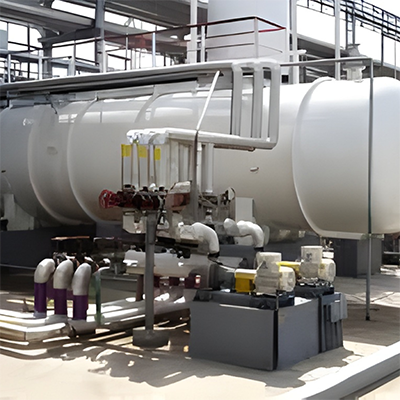
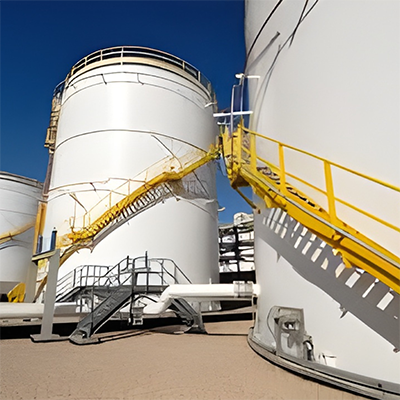
API 653 (Storage Tanks)

Asset Health Management provides a complete overview of equipment condition, performance trends, and risk levels.

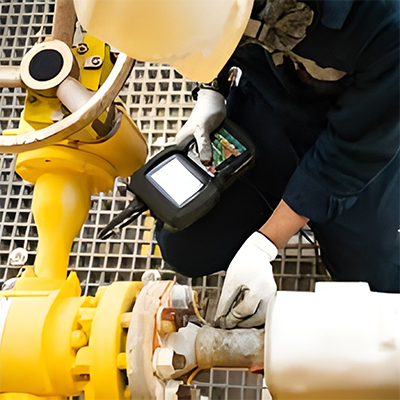
API 570 (Piping in Service Inspection)

Vibration Analysis identifies mechanical faults such as misalignment, imbalance, bearing defects, and looseness by analyzing vibration patterns.

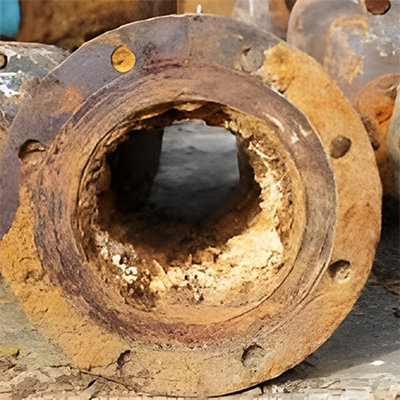
API 571 (Damage Mechanism)

Machine Lubrication Analysis evaluates oil condition, contamination levels, and wear particles. This ensures proper lubrication, reduces friction

API 653 (Storage Tanks)

Infrared Thermography uses thermal imaging to detect abnormal temperature patterns in electrical and mechanical systems.

Get in Touch

Now we're talking

To make requests for further information, contact us via our social channels.

follow us:

FAQ?

Most Popular Questions

AMS Academy delivers practical, industry-aligned training programs designed to build real-world skills in engineering, inspection, reliability, and safety. Our expert-led courses help professionals gain certifications, enhance competence, and advance their careers with confidence

Condition-Based Monitoring is a maintenance approach that uses real-time equipment condition data to schedule maintenance only when needed.

CBM reduces unexpected failures, lowers maintenance costs, and increases equipment reliability and lifespan.

CBM is widely used in oil & gas, power plants, manufacturing, cement, steel, marine, and chemical industries.

Inspection frequency depends on equipment criticality, operating conditions, and manufacturer recommendations.

Yes, CBM is more cost-effective because maintenance is performed based on actual equipment condition rather than fixed schedules.

Asset Health Management tracks asset performance, condition, and risk to support better maintenance planning and lifecycle management.

It detects faults such as imbalance, misalignment, bearing damage, looseness, and structural issues in rotating machinery.

It finds abnormal heat patterns in electrical panels, motors, bearings, insulation, and mechanical components.

  • It identifies oil contamination, degradation, and metal wear particles to prevent internal machine damage and extend equipment life.

  • Laser Alignment ensures accurate shaft and coupling alignment to reduce vibration, energy loss, and premature component wear.